A Day in the Life at Leaping Lamb Farm
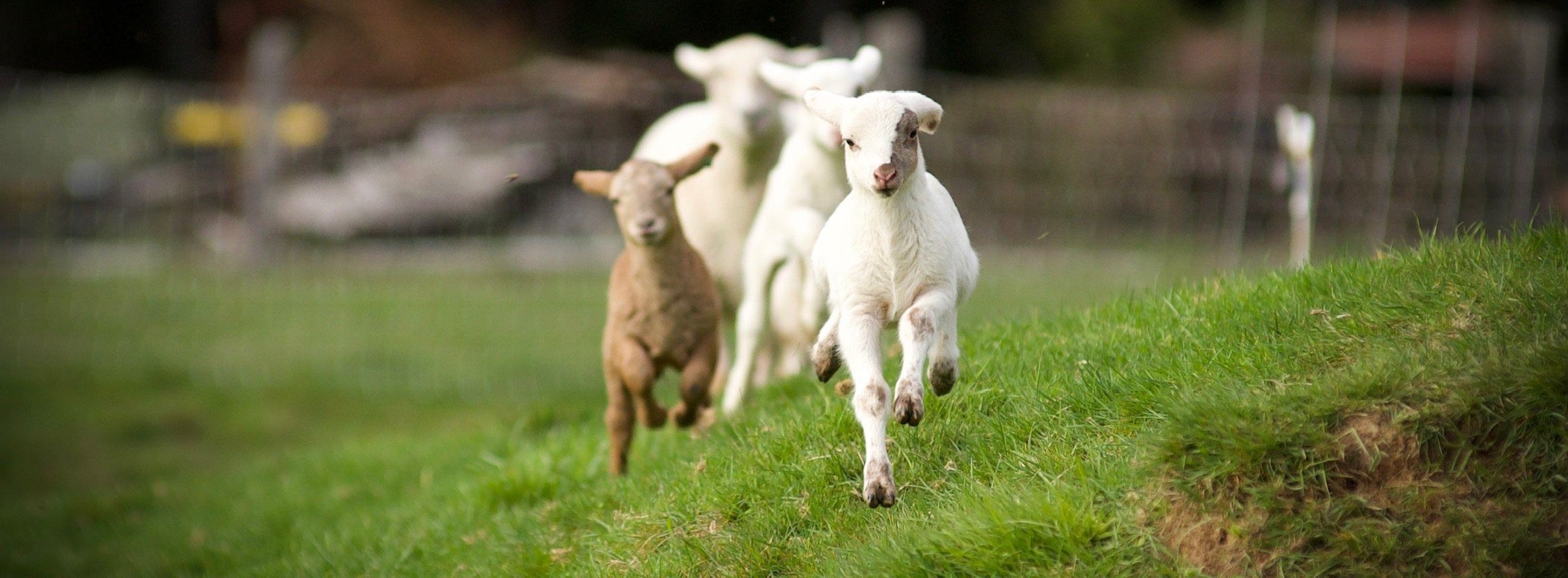
Morning chores and goat cuddles on an Oregon sheep farm
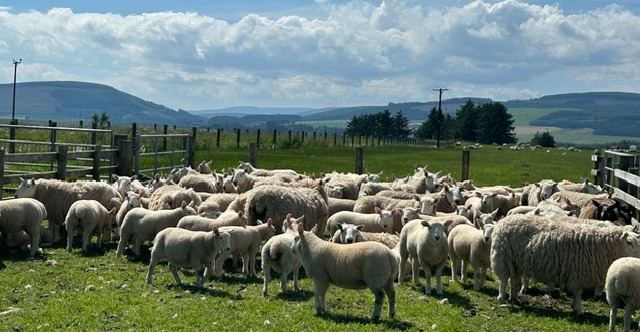
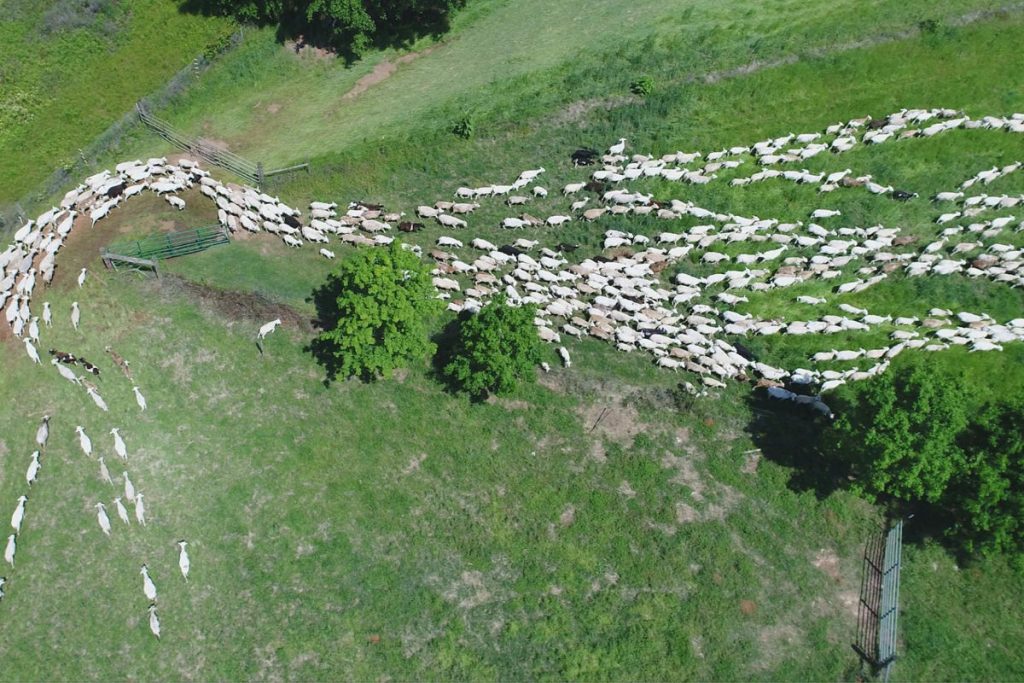
Sheep seen from the sky at White Oak Pastures
Well, it seems we have started to acknowledge that we have lost something of value. Regenerative means “able to or tending to regenerate—to regrow or be renewed or restored, especially after being damaged or lost”.
As regards farming, U.S. agriculture took a trajectory in the 20th century toward commercialization, use of chemicals, and monoculture, with an eye towards efficient mass production of commodities. The long-term, detrimental effects on the land (and the people) were not measured or challenged.
The effects began to show up in the last quarter of the 20th century and, in some ag circles, incremental changes started to be made. Today, there are a growing number of family farms focused on regenerative practices as they renew, regrow, and restore the land and a new (old) food production model.
This is what we now know. Regenerative farming can:
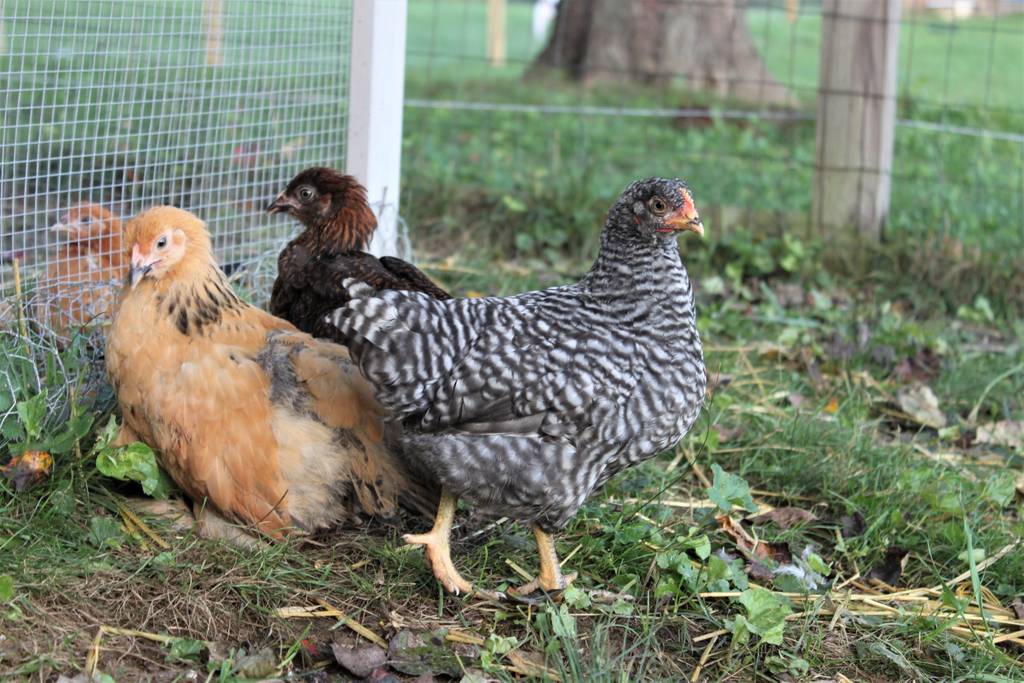
Chickens on pasture at The Blue Horn Farm
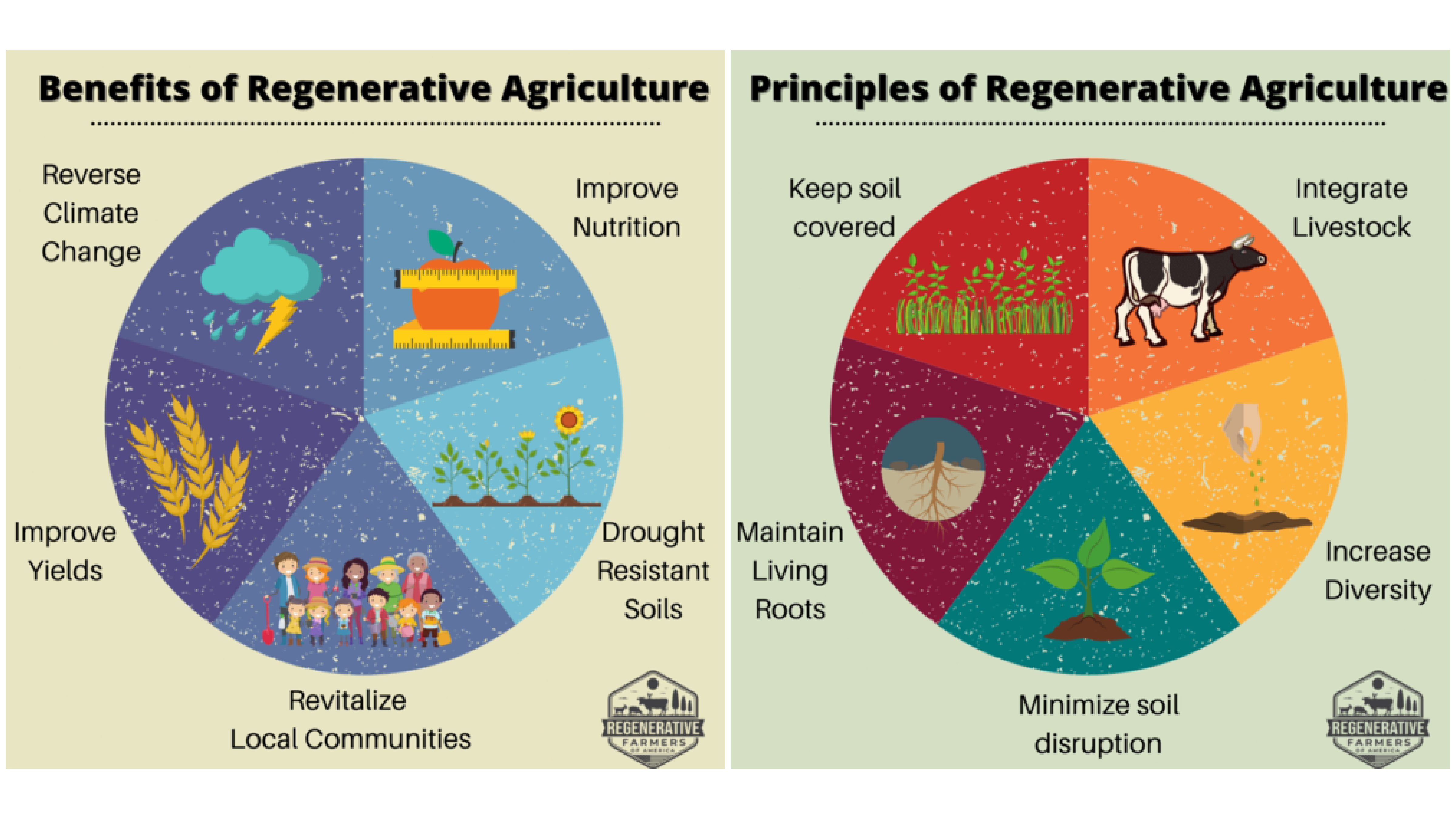
Which leads us to farm stays on regenerative farms. There are educational and developmental benefits of taking your child (or inner child!) to stay on a farm. What can you expect to see on regenerative farms?
Graphics courtesy of Regenerative Farmers of America
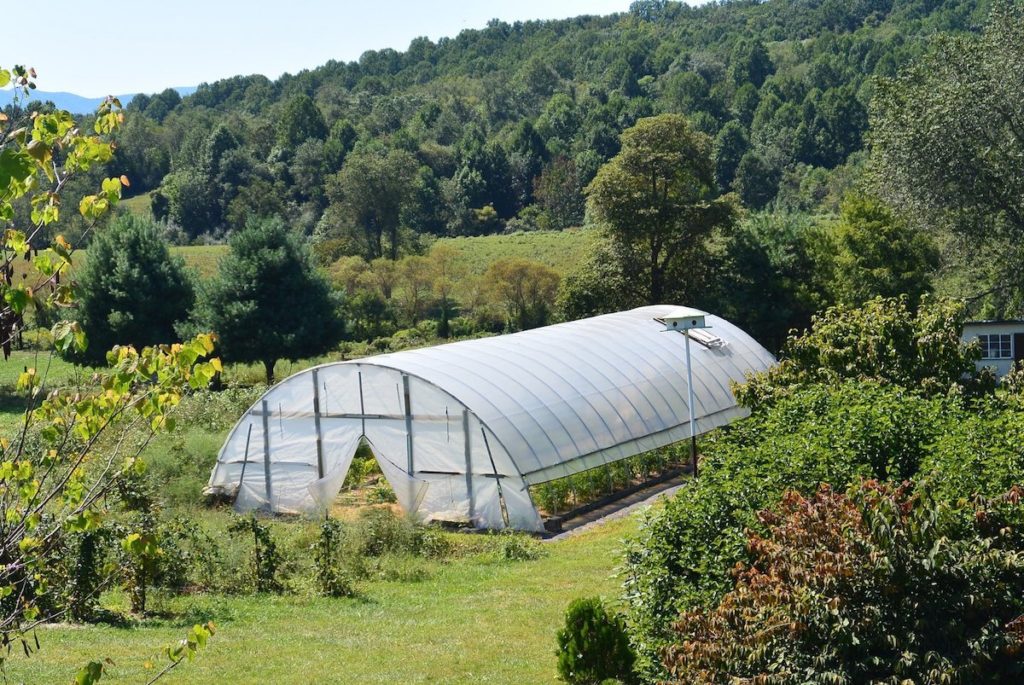
Greenhouse at Belle Meade Farm
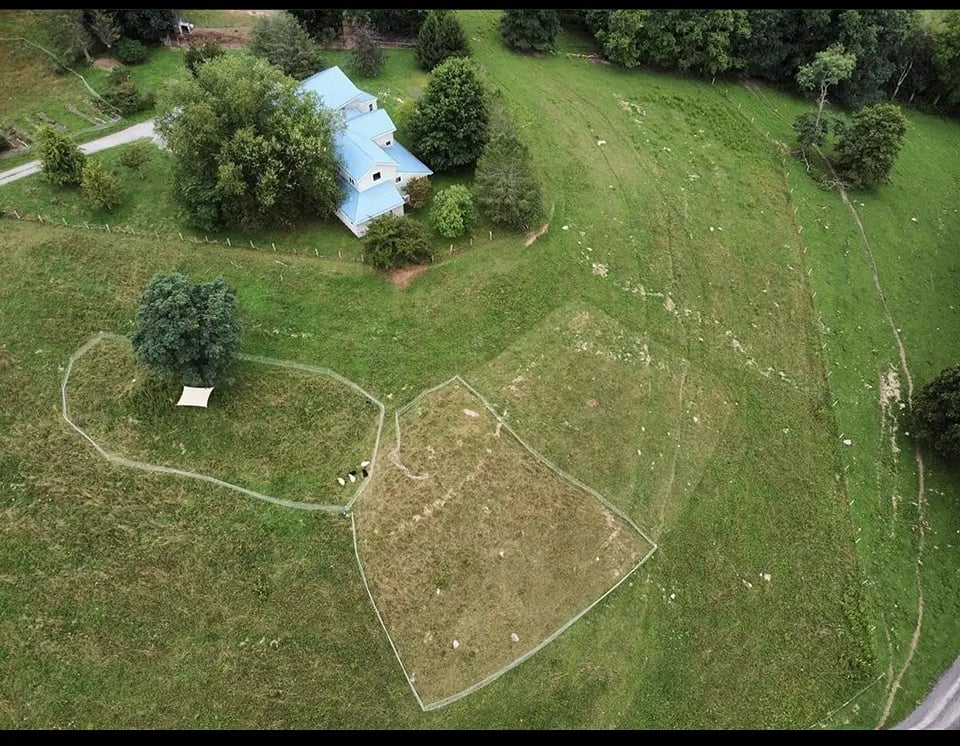
Arial view of rotational grazing at The Blue Horn Farm
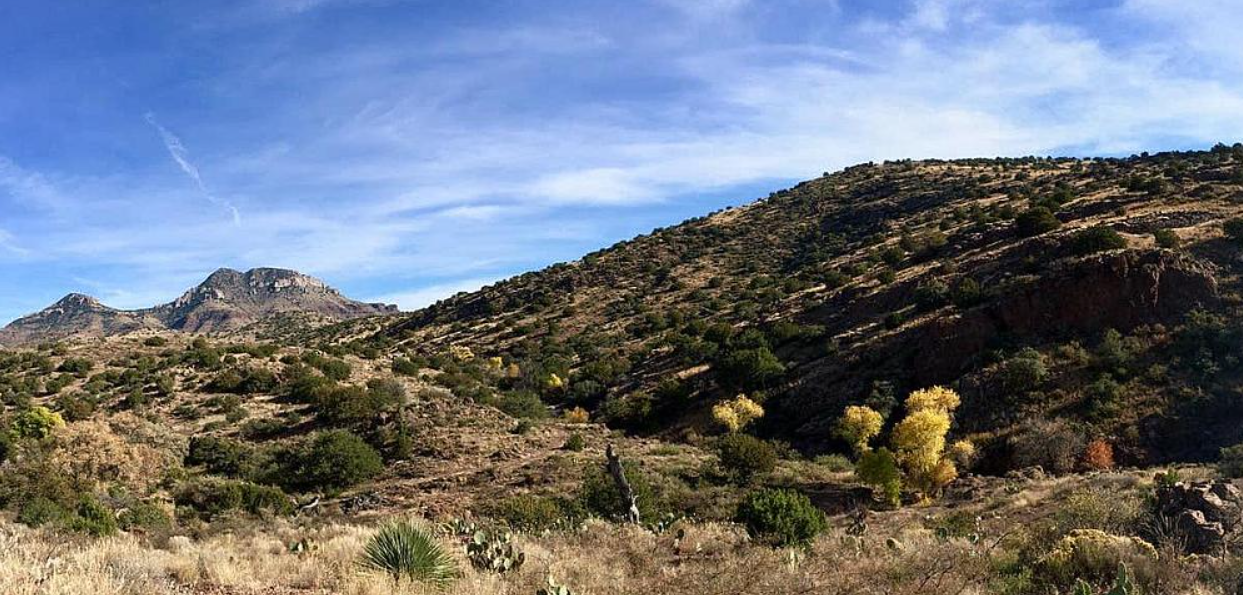
Morning chores and goat cuddles on an Oregon sheep farm
We recently told our personal Farmstay story at the GAN conference in Scotland and along the way we experienced Scottish farms big and small telling theirs. It was abrilliant experience.
If you're new here, welcome. We're glad you found us.
No spam. Unsubscribe anytime.