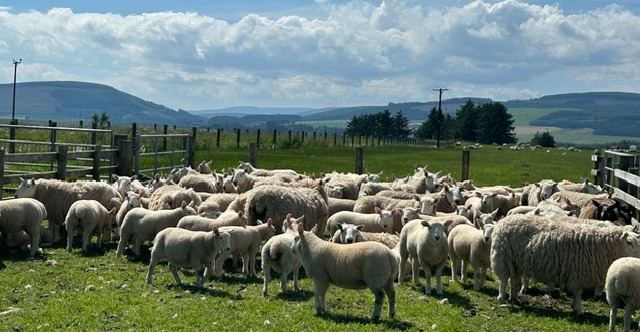
For five generations, the Harris family has been raising cattle on their farm in Bluffton, Georgia. Read our Q&A with the farmers at
White Oak Pastures and learn the history behind their radically traditional farming!
Q: What is the history of your farm?
A: Captain James Edward Harris (Cavalry - CSA) founded our family farm soon after the Civil War. He and the sharecroppers who worked this land butchered a cow, several hogs, and a few chickens every Saturday. This was the staple food of the 100 or so people who lived on this farm during the late 1800's.
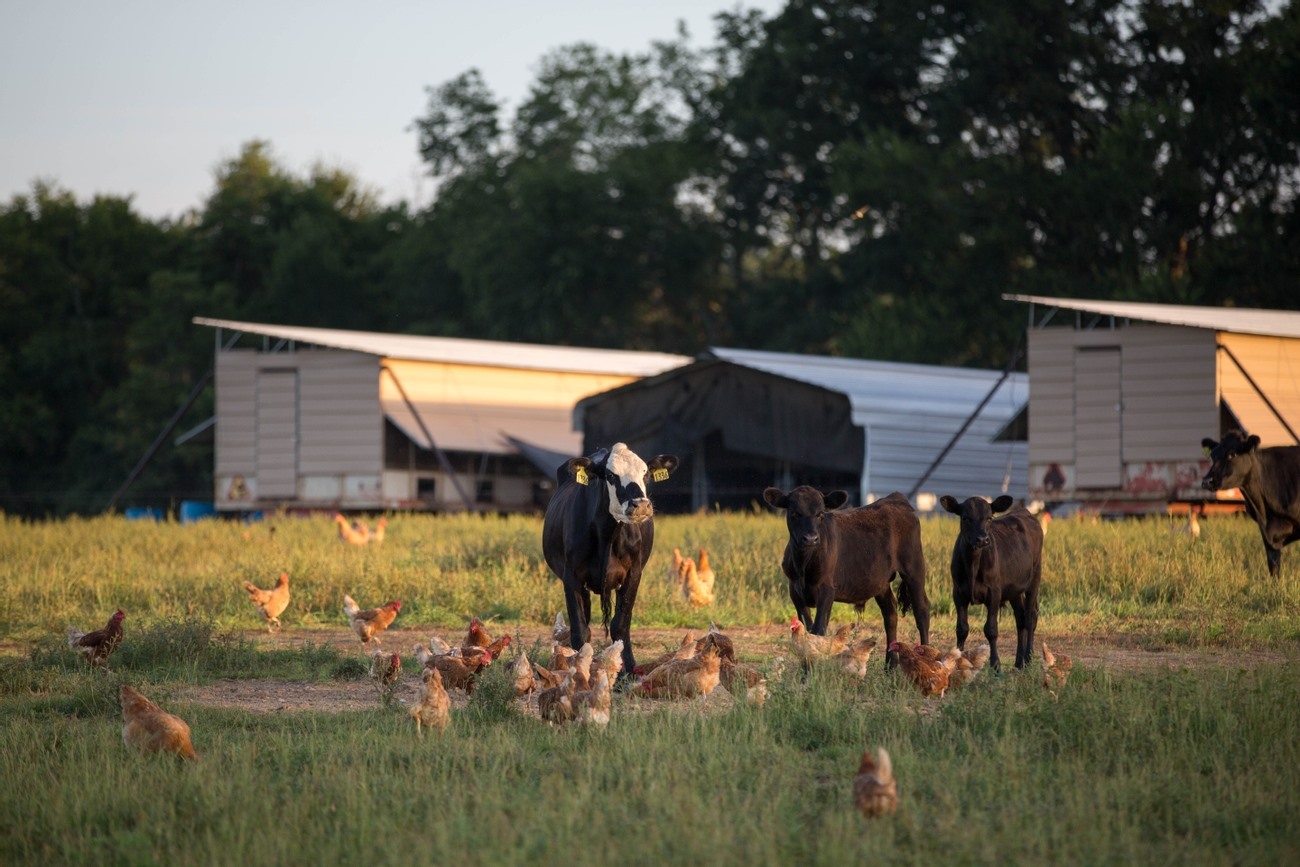
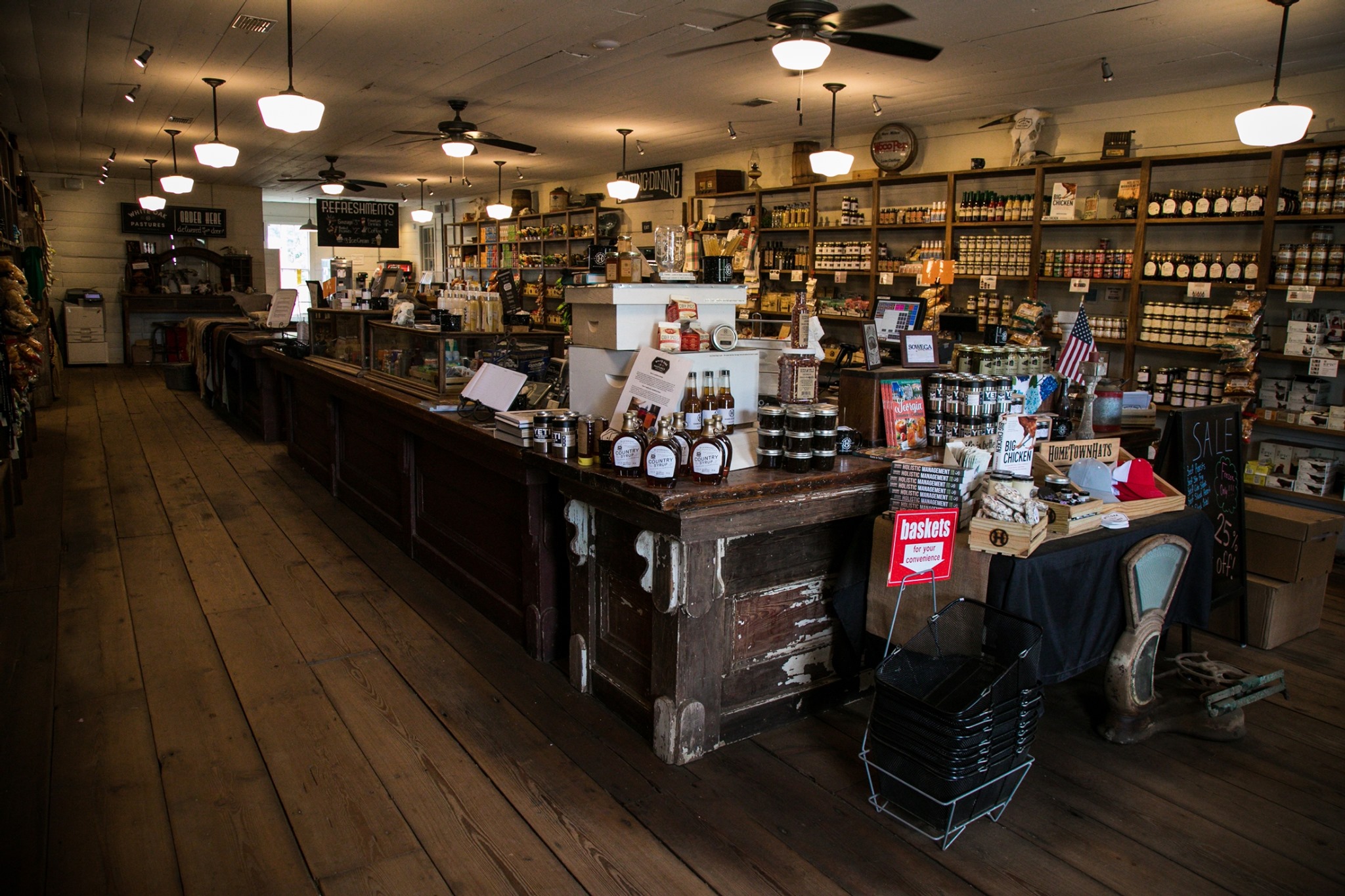
In the early part of the 20th century, James’ son, Will Carter Harris, ran the place. During this time they butchered a cow, several hogs, and a few chickens every morning before sunup six days a week. The meat was loaded on a mule-drawn wagon and hauled three miles up a dirt road to the town of Bluffton. There it was delivered to four general stores, a hotel, and a boarding house. Later a commissary was built on our farm, which grew the business even further.
After World War II, Will Bell Harris ran the farm. It was during his watch that the traditional system of producing and distributing beef, lamb, and poultry eroded. Science introduced a bevy of new chemical tools to the farm, and the slaughtering process became more and more centralized and distant from our pastures. During the latter half of the 20th century, our farm only produced calves for the industrial beef production system that furnishes most of the food we eat in this country.
Our farm and family have now come full circle. Today, we raise 10 species of livestock. We process the animals on the farm, and market the beef, lamb, poultry, rabbits, eggs, vegetables, leather products, tallow goods, and pet chews directly to consumers who appreciate our artisan, small-batch products.
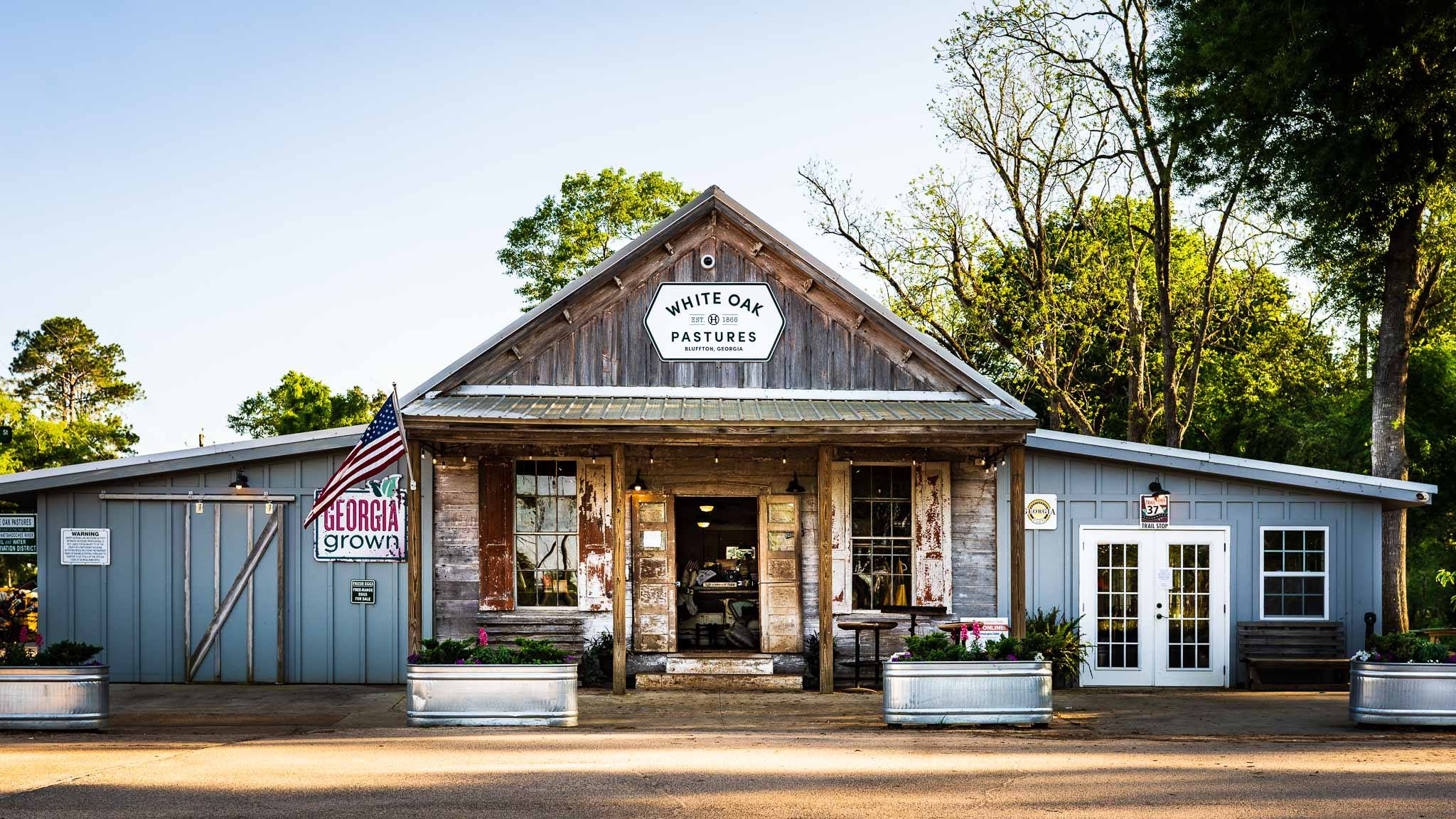
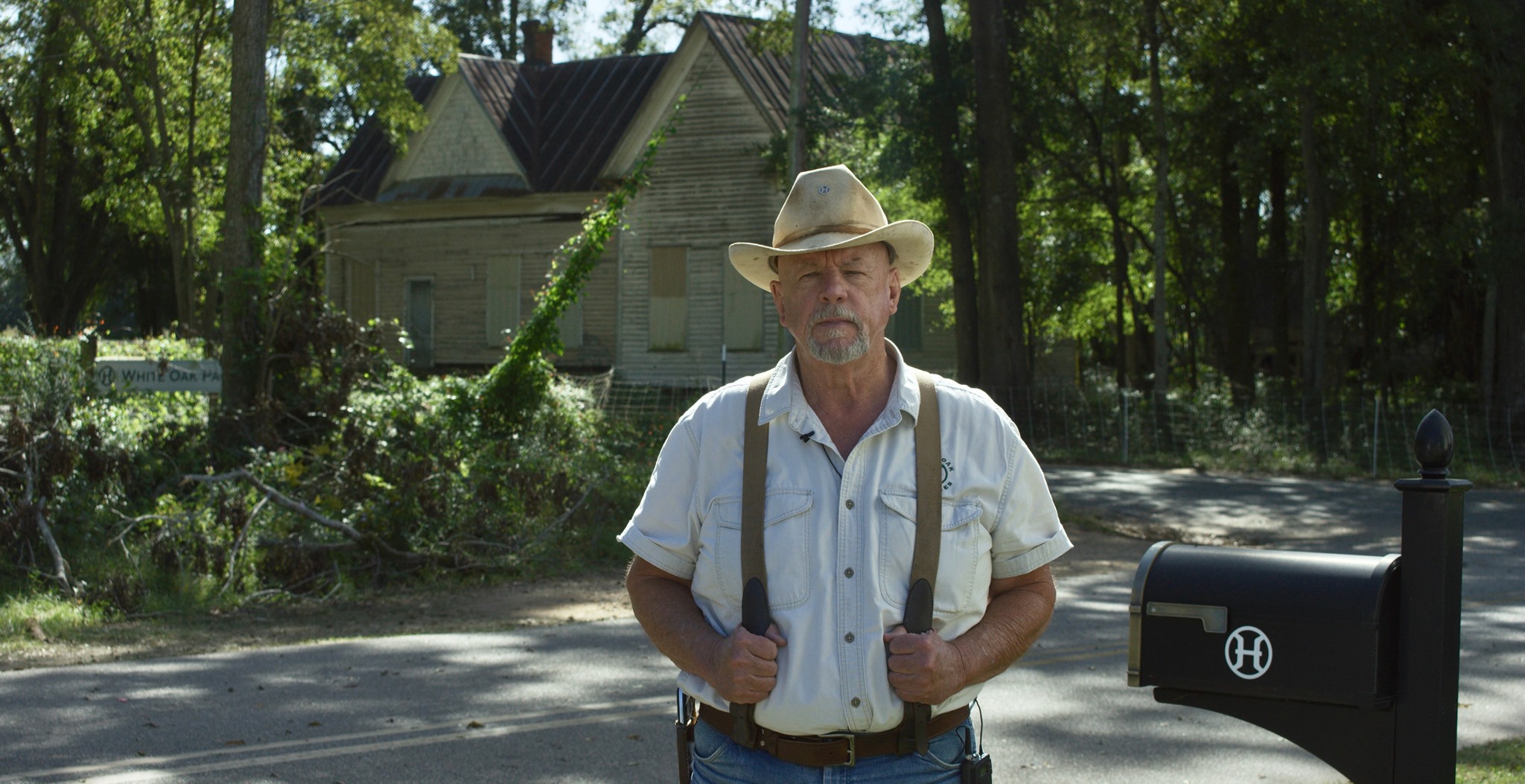
The transition started in 1995 when Will Harris III made the conscious decision to return to a production system that is better for the environment, for our animals, and for the people who eat these meats. He reinstituted the multi-species rotational grazing practices of his forefathers, and he built abattoirs on the farm to slaughter our animals. We are fiercely proud of our zero-waste radically traditional farming practices. We have been blessed with good hard work to do and the strength to do it.
Q: What brought you to offer a farm stay?
A: Consumers were interested in what we were doing. Inviting guests to our farm happened organically!
Q: What do you raise and produce on your farm?
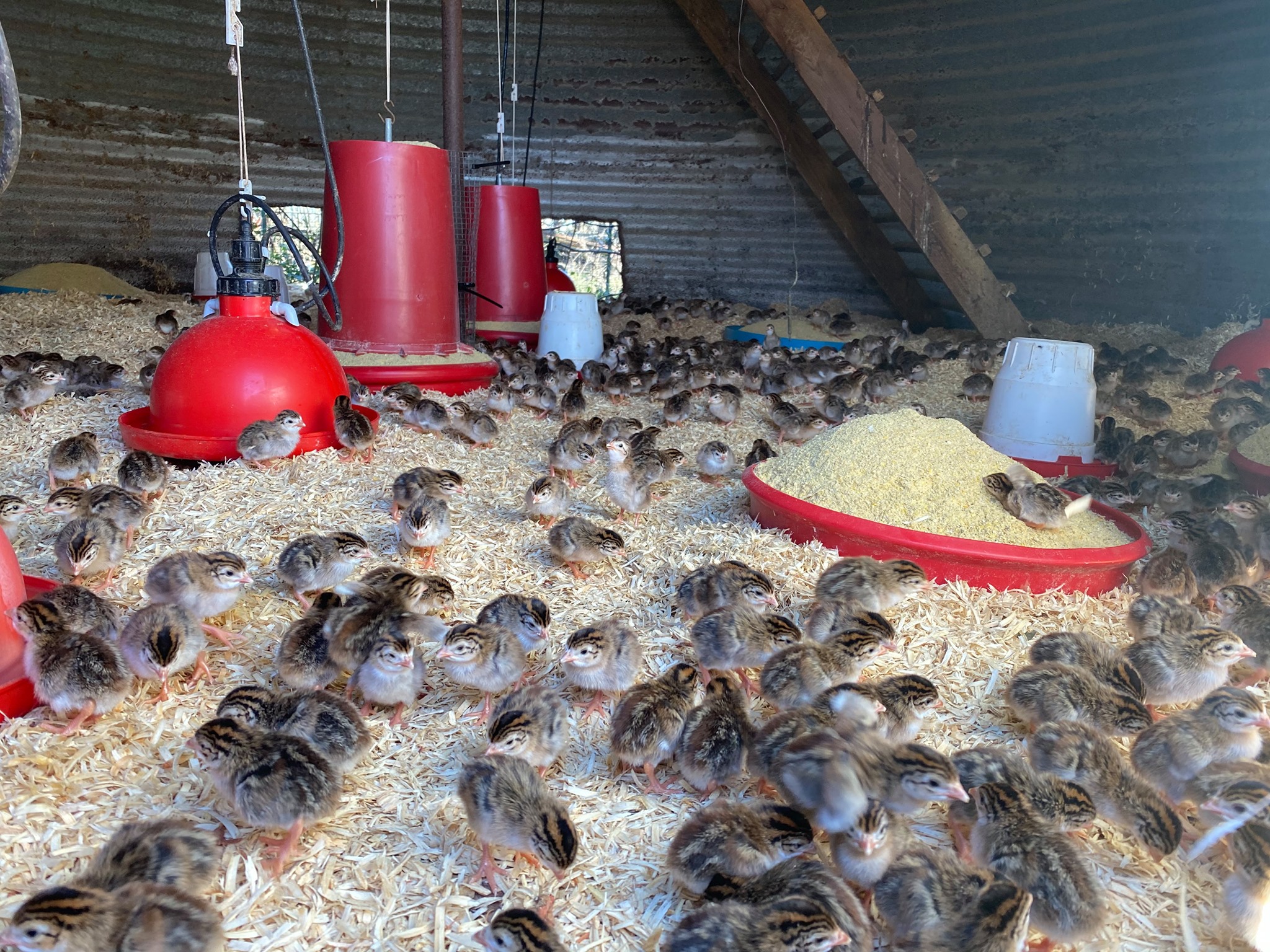
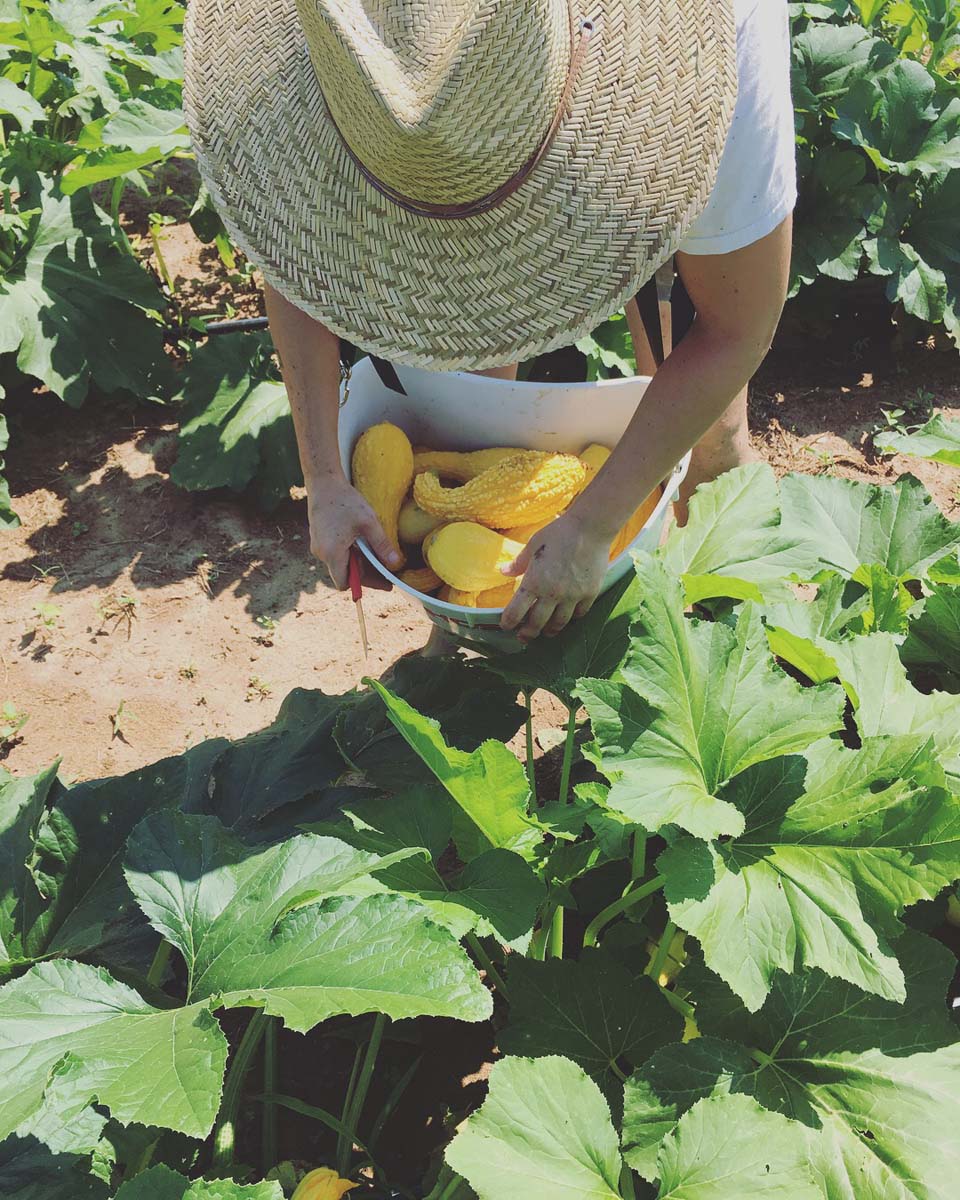
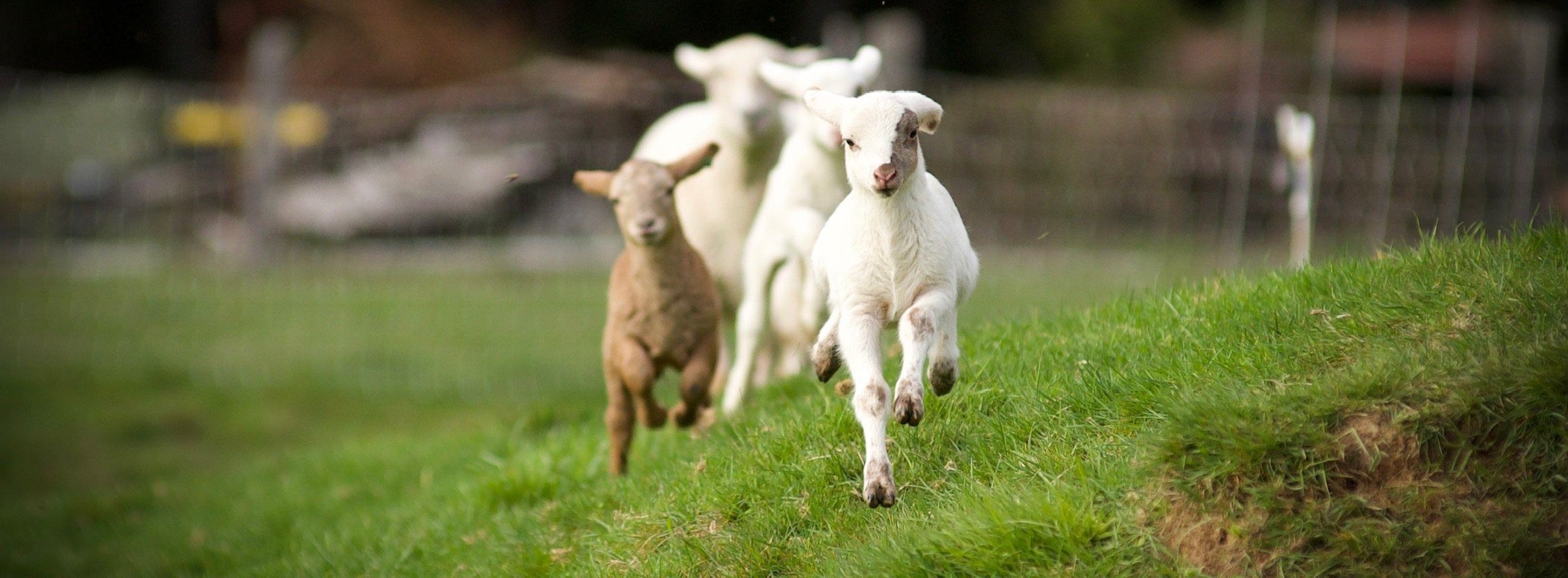
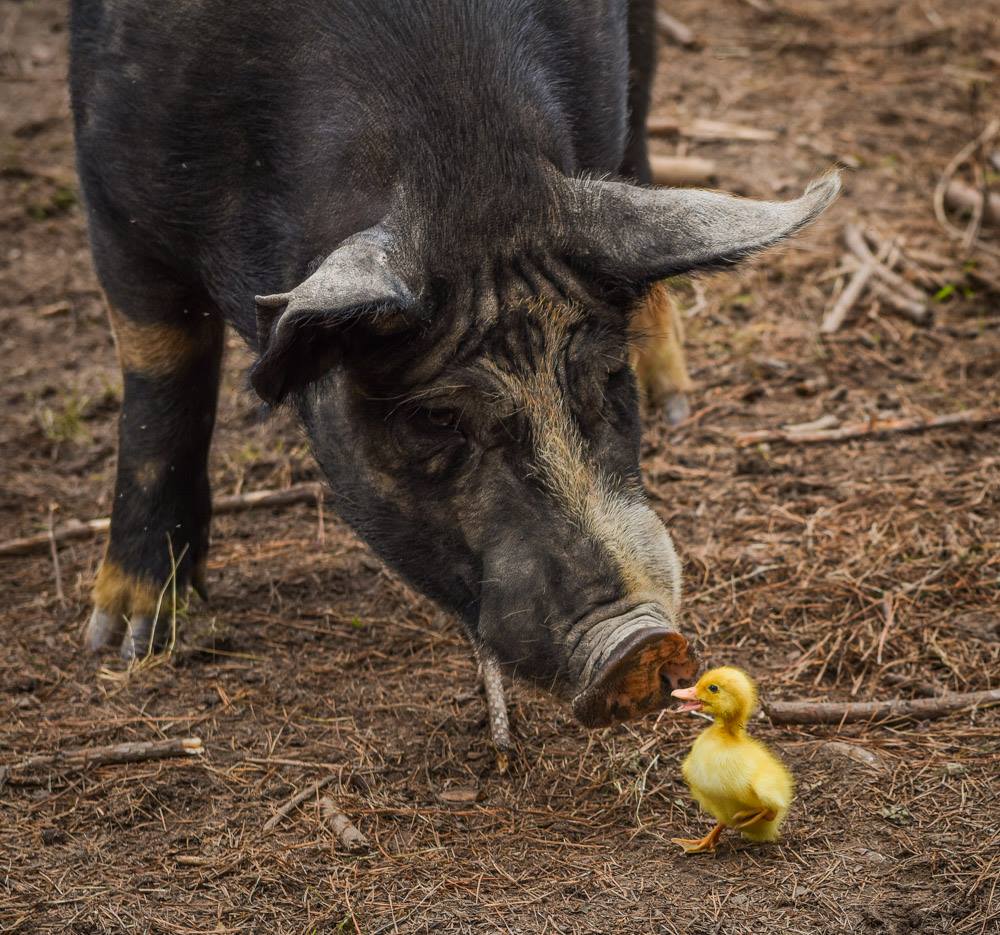
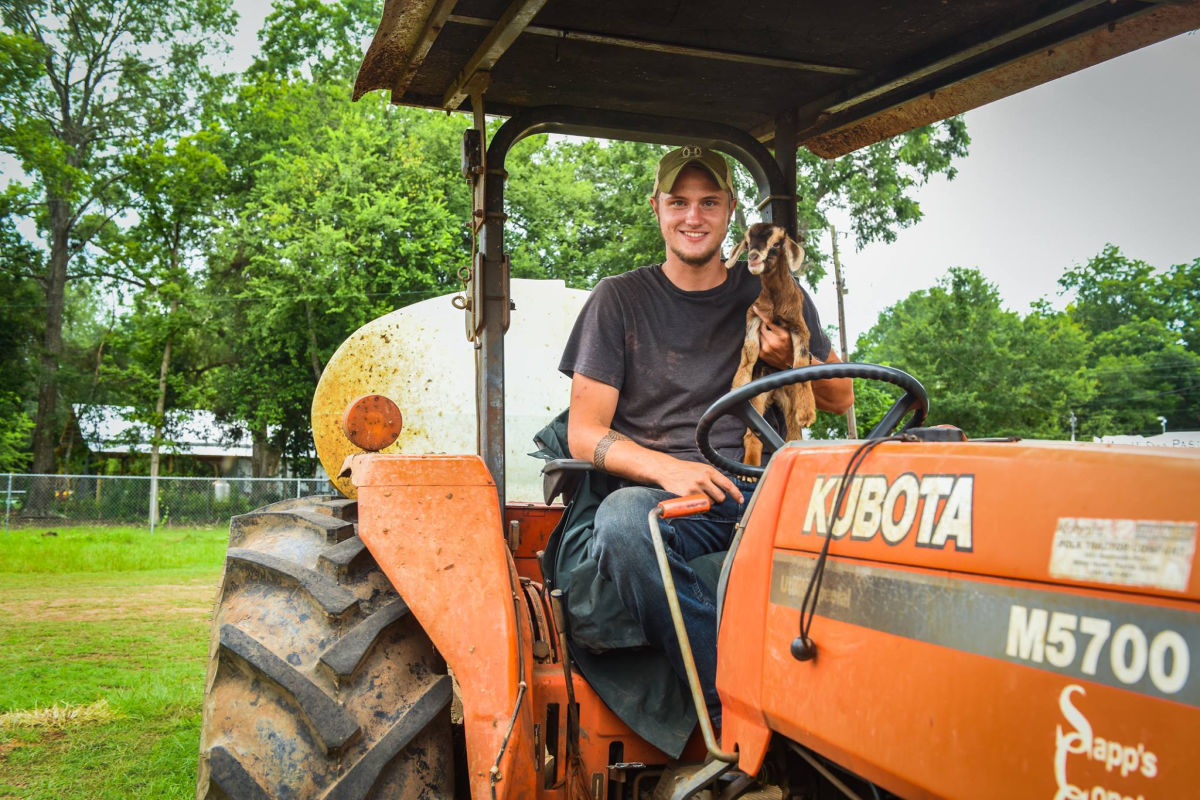
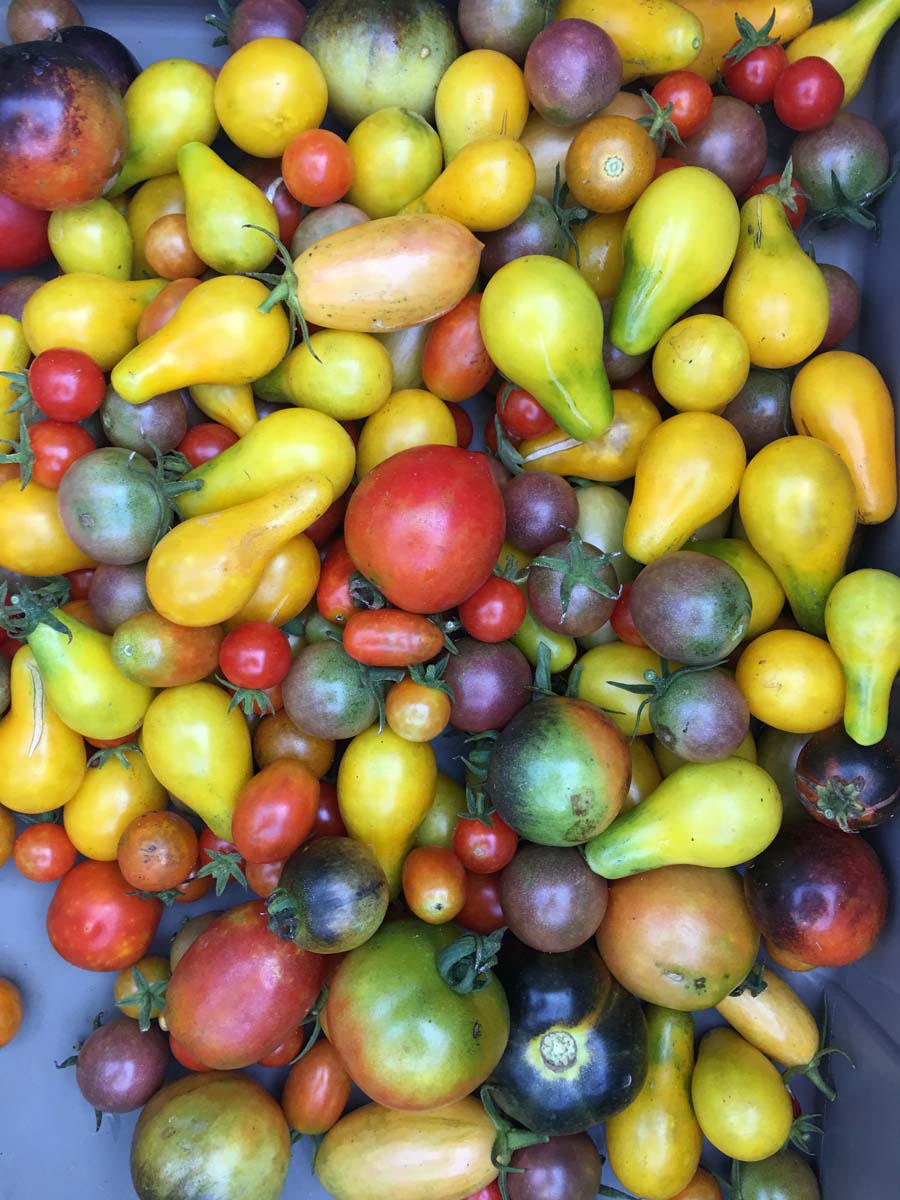
A: Beef, Pork, Rabbit, Lamb, Goat, Geese, Guineas, Ducks, Turkeys and Chickens. We also raise pastured eggs and organic vegetables.
Q: What is the setting of your farm like? Tell us a little about the area you live in?
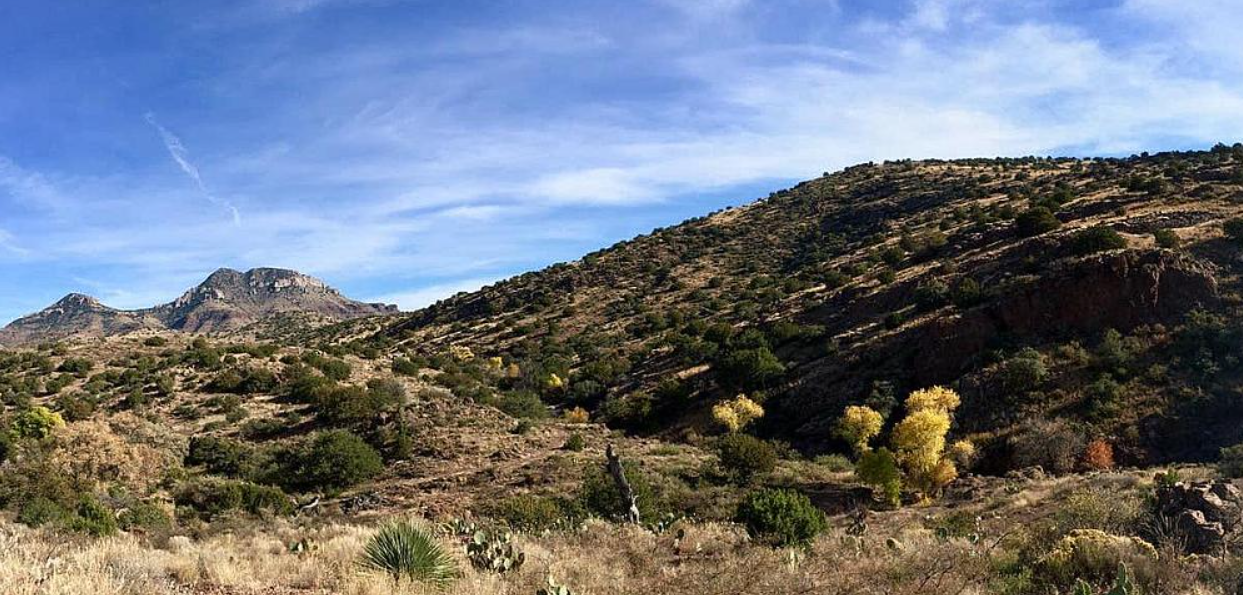
A: White Oak Pastures is located in rural SW Georgia. Bluffton has less than 100 people in our town. We manage about 4,000 acres.
Q: What can guests do during their farm stay, either on or off the property?
A: Guests like to tour the farm, fish and ride horses. We also offer educational workshops monthly. We have a couple of state parks in our area that guests like to visit.
Q: Tell us about your lodgings. Where do guests stay and what amenities do you offer?
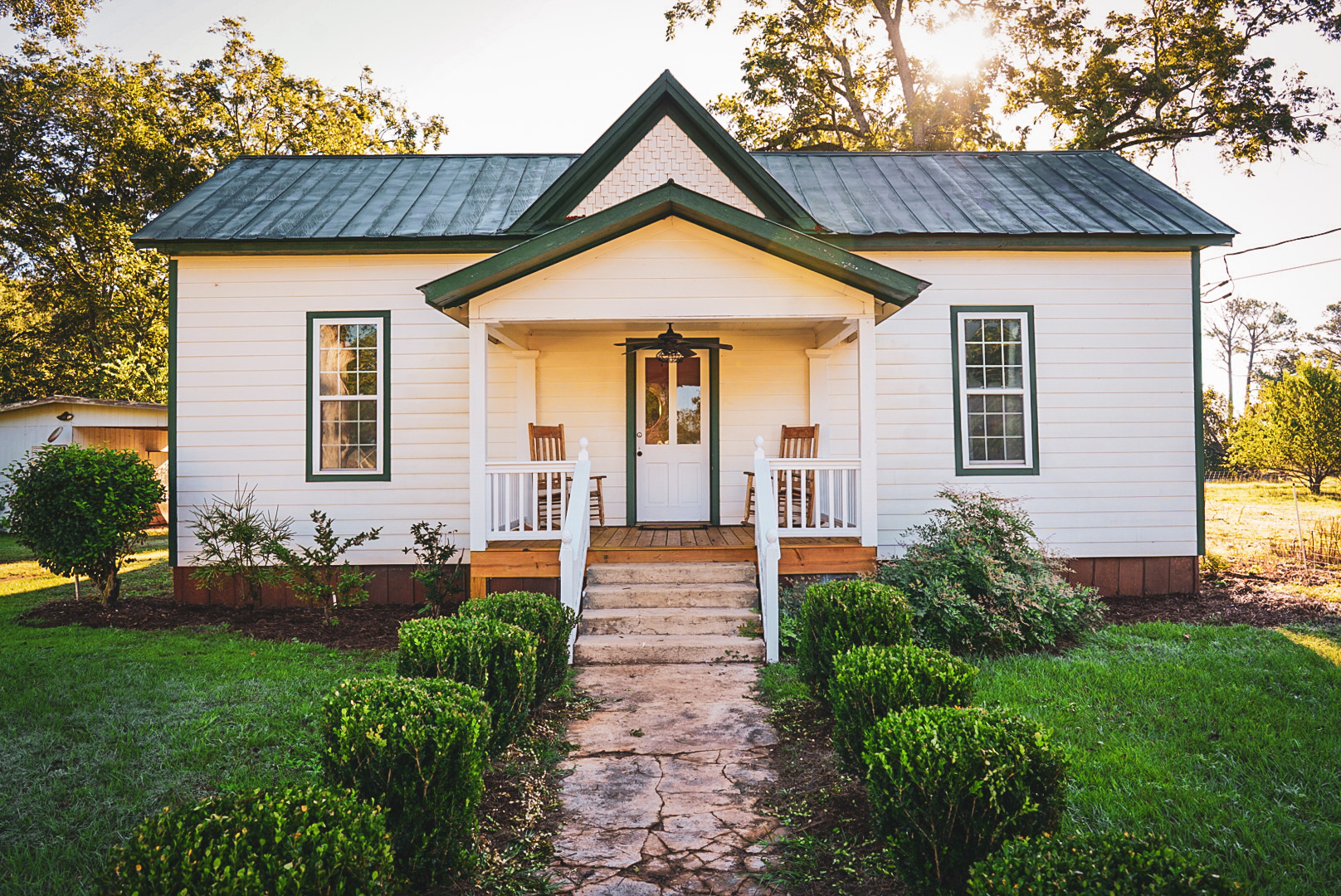
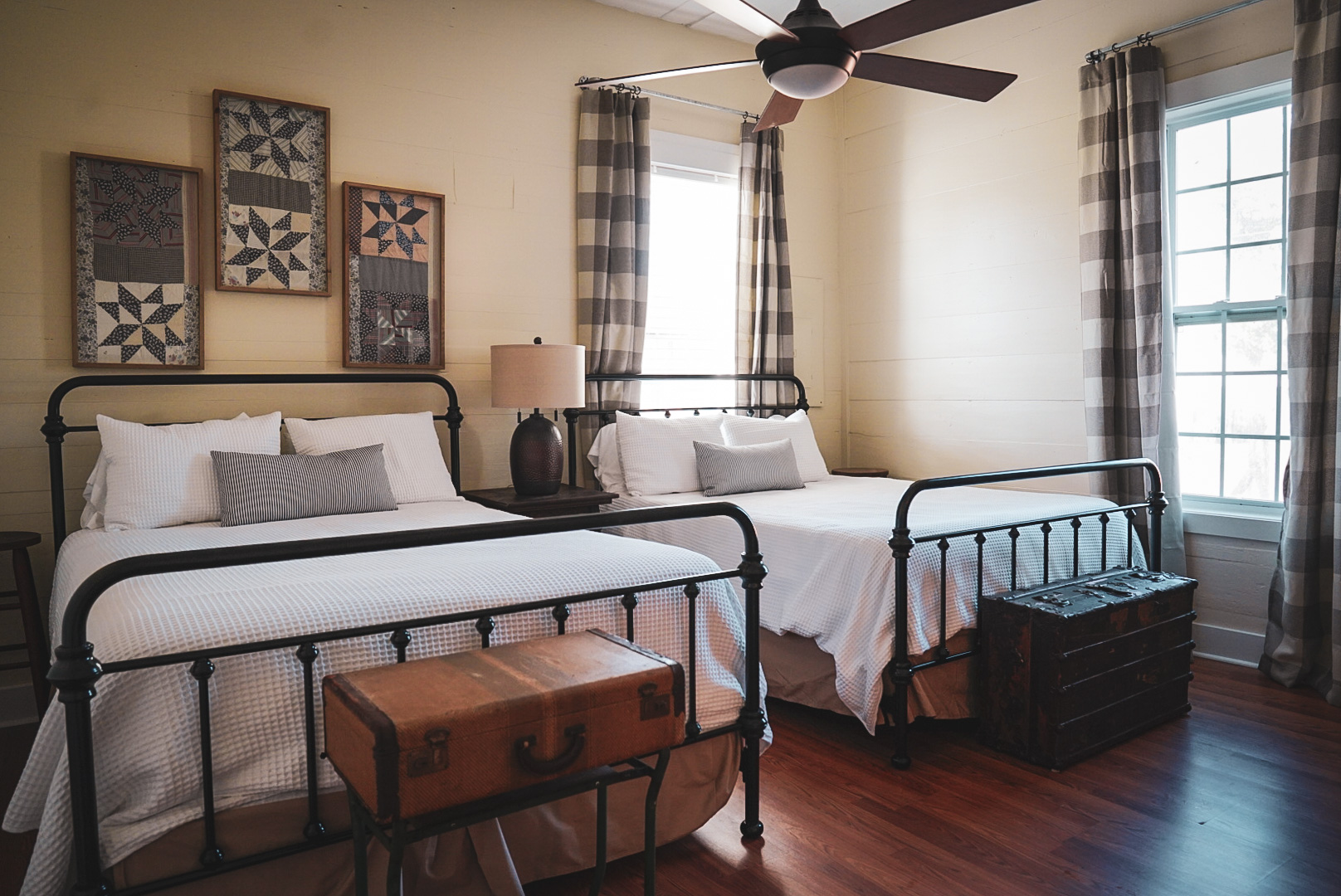
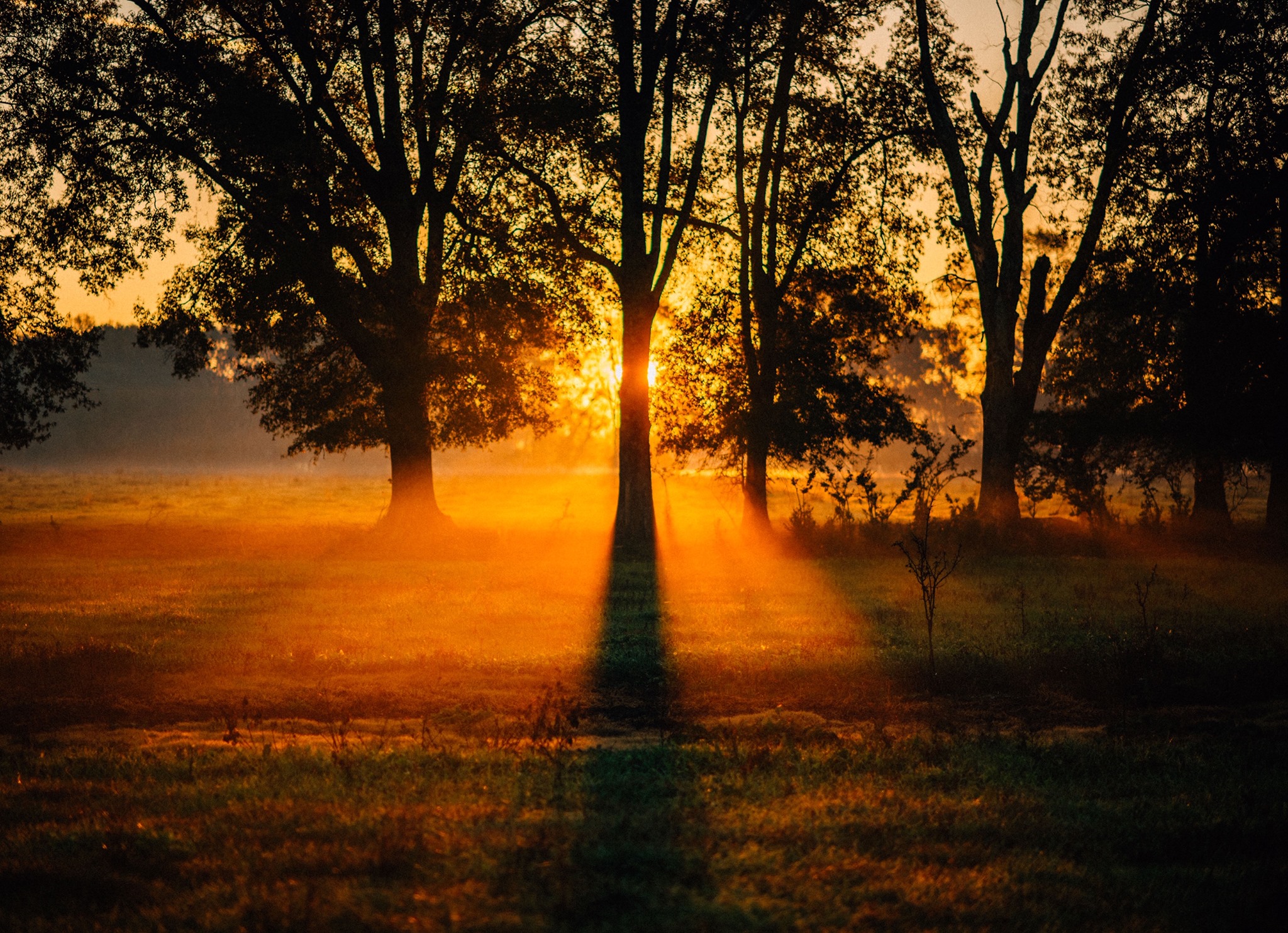
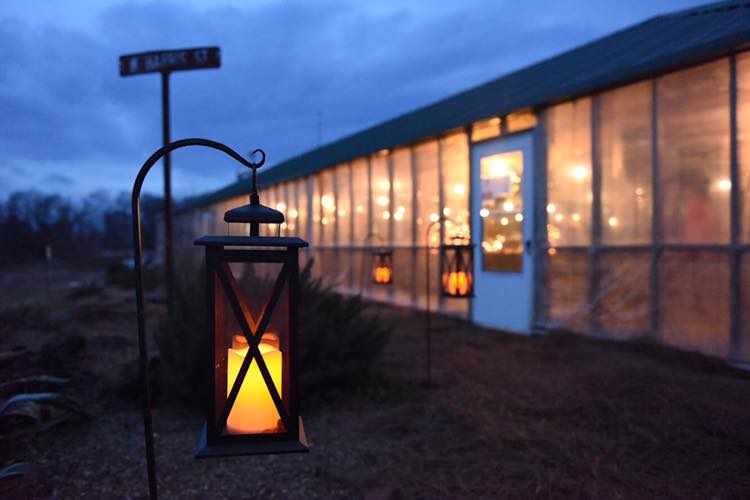
A: We have 7 units that guests can lodge in. These range from small cabins nestled in the woods to a quaint house in historic Bluffton. Our Pond House sits on a 15-acre pond on a peninsula, complete with a boat dock and scenic views. You can enjoy the soft sounds of water and a South Georgia country evening from a screened-in porch, or watch the sunrise over nearby pastures across the water. With the Pond House’s countryside charm, along with modern amenities including AC/heat, this house is perfect for a getaway staycation.