There are many ways to commemorate your next farm stay experience but we must say, shopping at the farm store is one of the tastier (and fun!) ways to bring the farm home with you. Farm stores come in all shapes and sizes from bread buggies to farmer's markets to subscription CSA boxes -- each farm has their own unique way of sharing the goods they produce.
Grocery chains and shopping online may be convenient and at times necessary, but supporting local farms has many benefits to explore that are not only delicious but invaluable to the local community and environment. They play a crucial role in the sustainability of our food systems by contributing to local economies, food quality, environmental stewardship, and community well-being.
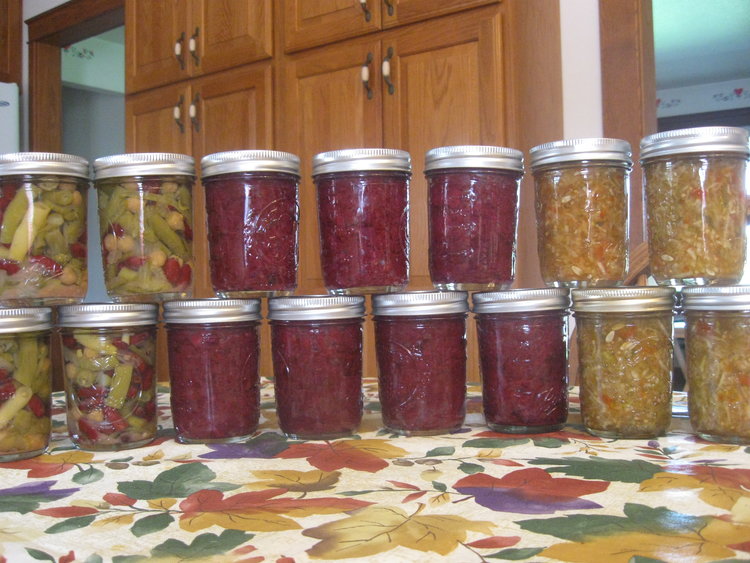
Valley Springs Farm in Reedsburg WI sells their beef as well as Dorothy’s Homemade Jams, Valley Springs Farm scone mixes, and a variety of soaps, cheeses, maple syrup from local farmers (depending on availability)
Small farms are the backbones of local economies as they circulate money within the community by producing and supplying local goods in their stores. This boosts agricultural activity as it creates a demand for nearby farms to support each other. They also foster economic resilience by creating employment opportunities for local residents.
White Oak Pastures in Bluffton, GA is a great example of a farm that has put their values first by gradually building various enterprises on their farm to not only create a zero-waste farm but to employ over 120 people in their community.
Frequenting small farm stores not only gives access to high-quality, nutritious food but also fosters a sense of community between consumers and farmers. By cutting out the middleman, consumers have the opportunity to gain insight into cultivation practices, animal welfare, and overall quality, which allows them to participate in maintaining the integrity of their local food systems for the whole community.
Mass-produced fruit and vegetable varieties in supermarkets are often very limited as they are commonly shipped from afar, so flavor is often sacrificed for shelf life and hardiness in transport. Meat varieties are also sometimes relegated to breeds that grow quickly, produce the most offspring and/or yield the largest carcasses. Small farms often grow more heirloom varieties of fruits and vegetables and heritage or hybrid breeds that have distinct flavor profiles that you won't find in your every-day supermarket. Utilizing local farms as a resource for seeds and starters can also help ensure your home garden is more likely to be a success as well.
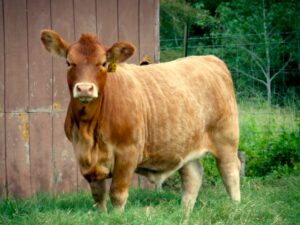
Melody Acres Ranch in Crockett, TX takes pride in breeding animals that are low-input and low maintenance with no antibiotics, steroids or hormones used. They developed their own breed called “Melody Meatmasters” -- a combination of Jersey, Zebu and American Aberdeen with high marbling and great tenderness.
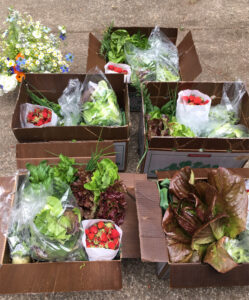
Appletree Farm in Eugene, OR has a CSA of fresh spring greens, summer tomatoes, eggs, flowers and a fall storage crop for the locals to participate in.
Many small farms take pride in environmental stewardship by encouraging biodiversity with polyculture, crop rotations, integrated pest management and soil conservation techniques to keep their land productive. By choosing to shop locally, you are helping to mitigate climate change by reducing the carbon footprint -- minimizing the need for long-distance transportation of goods, preserving natural resources and promoting sustainable land use.
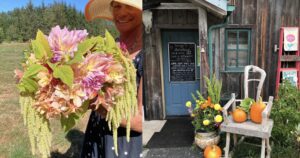
Aurora Farm on San Juan Island, WA is a fully diversified farm using regenerative and biodynamic practices with a self-serve farm store. This is a one-stop shop with grass-grazed lamb, pork, beef, poultry, eggs, fruit and vegetables along with stunning seasonal bouquets grown and arranged by the resident farmer/artist herself!
Small farms can also serve as community hubs that bring people together through fostering social connections at workshops, educational events and markets. Taking a class taught by experts who produce these items is a great way to bring the farm home with you and learn some homesteading skills to practice at home. Furthermore, they often support local charities, schools and community initiatives creating a sense of shared responsibility and well-being.
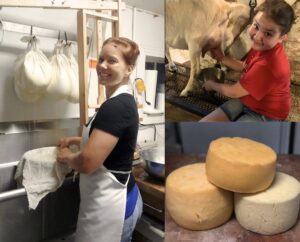
Flint Hill Farm in Coopersburg, PA is a non-profit dairy farm that runs a year-round educational program for the local school districts, education groups, vocational schools, summer camps, and the local community. Their farm store supports their non-profit with pastured duck and chicken eggs, Alpine goat and Jersey cow raw milk, artisan cheeses, yogurt, smoothies, ice cream, and fresh cream butter.
If you don't have enough room in the car to bring home half a hog or some frozen chickens or you are visiting from out of state, shopping online is sometimes your only alternative. Many small farms have adapted to the times and created e-commerce stores so you can still shop small at home.
Farm stores are not all about food though -- they often also feature handmade items from local artists and craftsman. Many stock pelts, yarn and other fiber arts from their sheep, leather goods from cattle as well as furniture, folk art, and other wares to bring home with you.
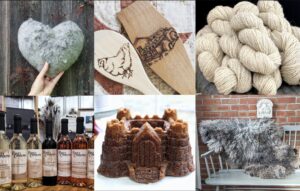
Left to right: felt heart from Grand View Farm in Washington, VT, hand-burned wooden spoons from Harmon Farms in Eaton, CO, Icelandic wool yarn from Blooming Joy Farm in Ronan, MT, wine from Stillwaters Farm in Henderson, TN, castle cake from Dogwood Hills Farm in Harriet, AR and a Gotland wool pelt from Grand View Farm in Washington, VT.
While staying on a farm can be a fun and memorable experience, it is important to remember the vitality of a farm rests in your support of their farm stores. Spending your dollars locally is so much more than buying food or trinkets; you are supporting your friends and neighbors. From raw milk and artisan cheeses to homemade baked goods, wine and local art – these specialty items are unique only to small farms and are often more affordable than generic or large-scale suppliers. Let us recognize and celebrate the vital role they play through creativity, hard work and collaboration to create a sustainable and resilient food system and community.
To see all of the Farmstay farms with farm stores, click here.