

Dig Deeper Blog
Discover stories, tips, and insights about farm life, sustainable agriculture, and authentic listing experiences.
Search Posts
Categories
15 Years of Farm Stay USA: Celebrating Our Roots and Honoring the Founders Who Helped Cultivate a Movement
Part I- The Trailblazers
Apr 10, 2025
Read more →
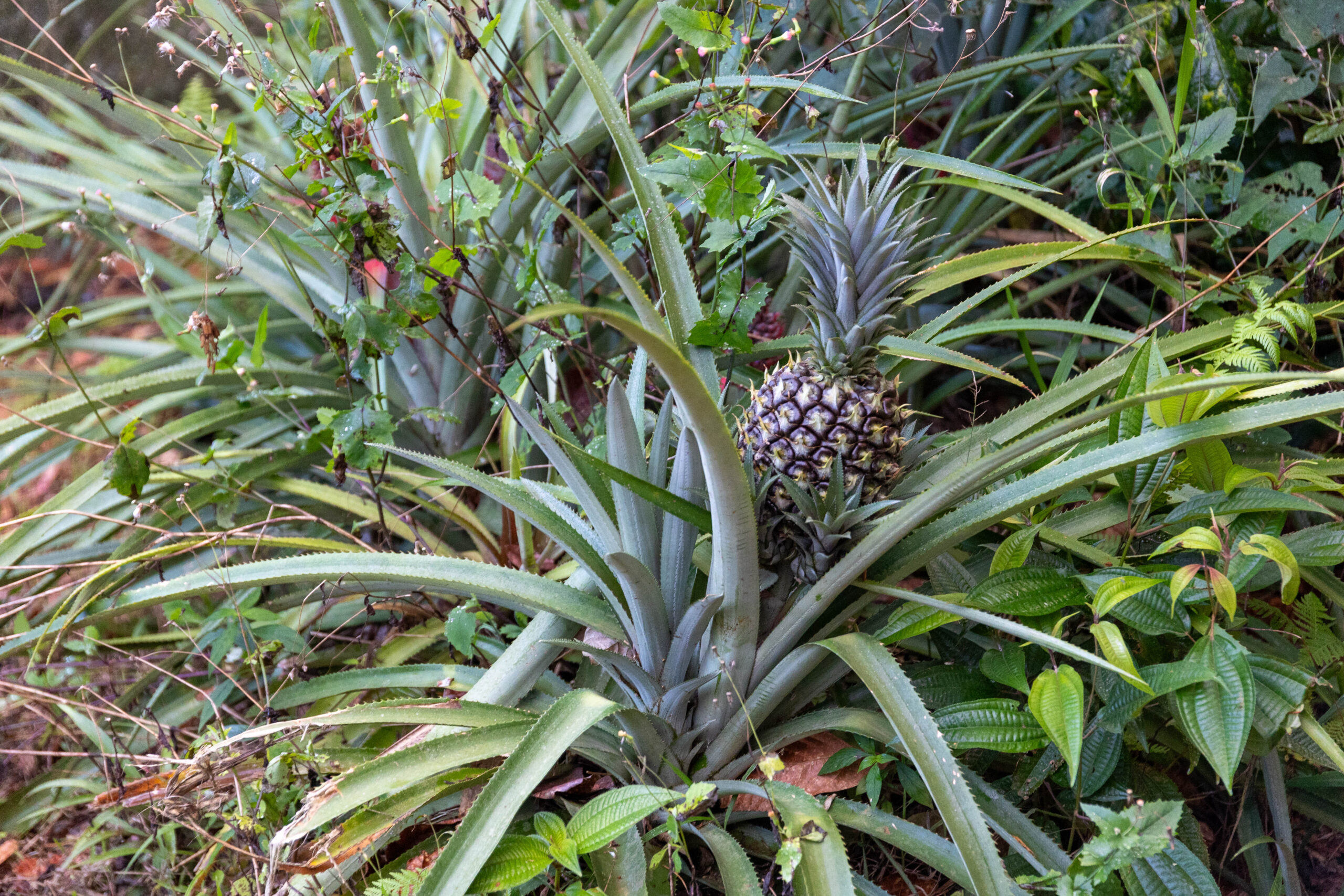
A Farm Stay Adventure in the Mountains of Puerto Rico
There’s something special about visiting a place through the lens of its farms, the people, the land, and the traditions that sustain them. I recently had the joy of traveling to Puerto Rico with a group of agritourism specialists from across the U.S. While our main goal was to collaborate on agritourism initiatives and resources, we were fortunate to spend time touring local farms and experiencing firsthand what agritourism looks like on the island.
Mar 25, 2025
Read more →
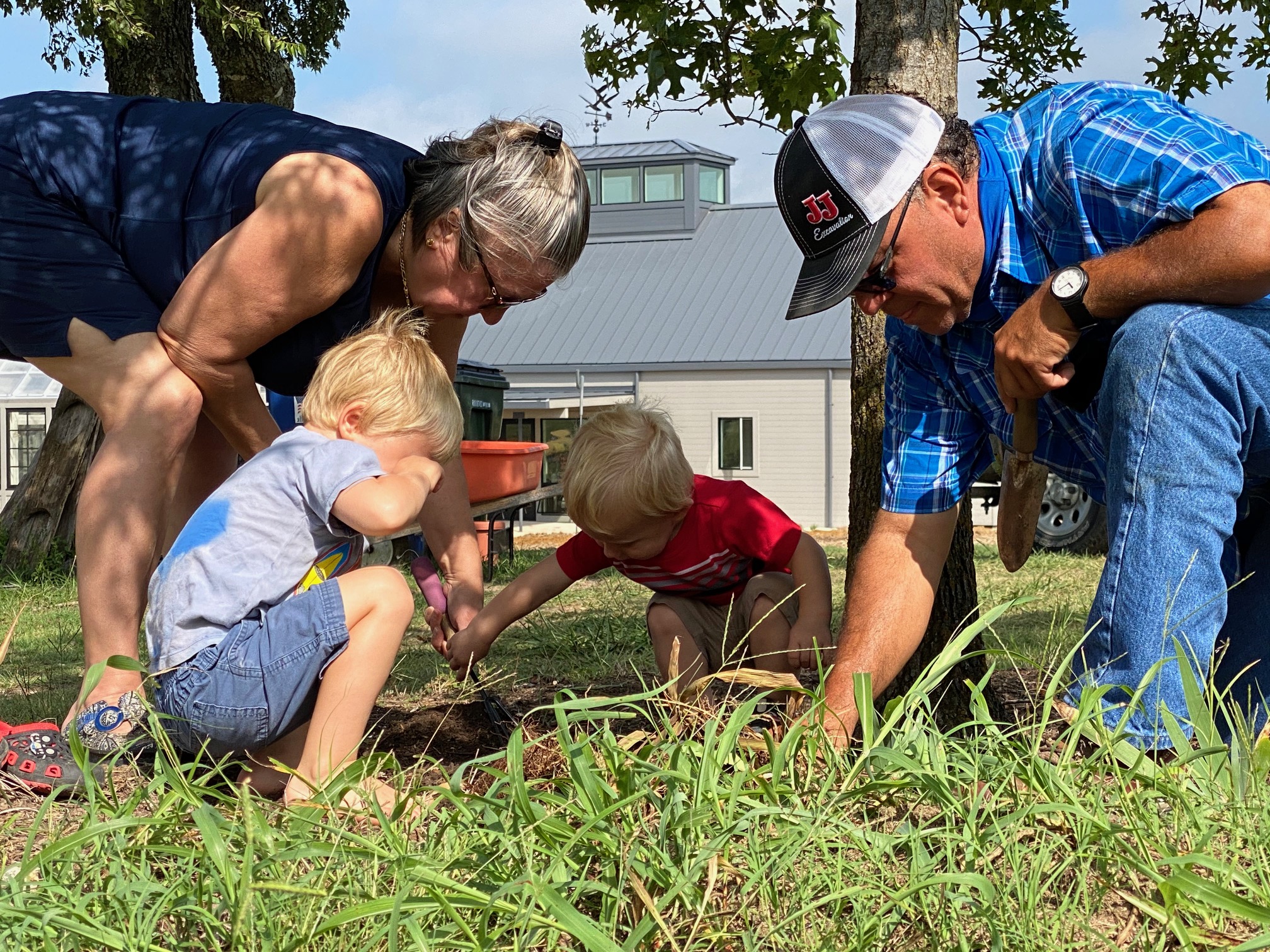
Start Here First for a Real Farm Experience
Here's what to know about Farm Stay USA (aka Farmstay) and why you might want to start with this site if you are looking to experience a real working farm or ranch, with the farmers and ranchers to go along with it and the promise of a focused and immersive rural adventure.
Feb 6, 2025
Read more →
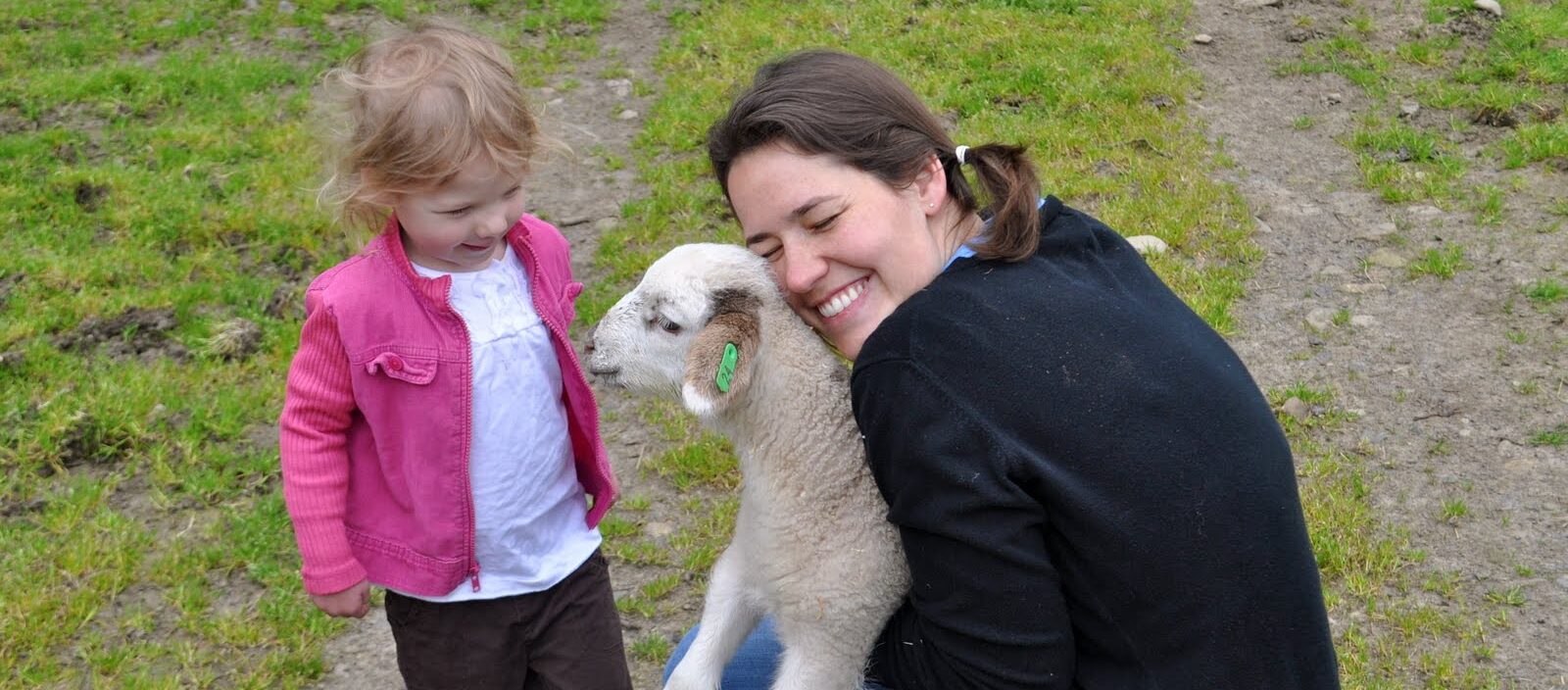
Try this Family Adventure - Stay on a Farm
Did you know that fewer than 2% of Americans have lived on a farm since the 1950s? The other 98% of us have missed the deeply organic experience of waking up to the rooster's crow and don't even know it. While many who grew up on farms left for financial reasons, it wasn't often because they disliked the landscape. For them, the farm would continue to hold cherished memories, growing sweeter with time. Today, a new generation of farmers is eager to replicate this grounding lifestyle for their own children. Some grounding in the ground, as it were. They are, indeed, the lucky ones.
Nov 22, 2024
Read more →
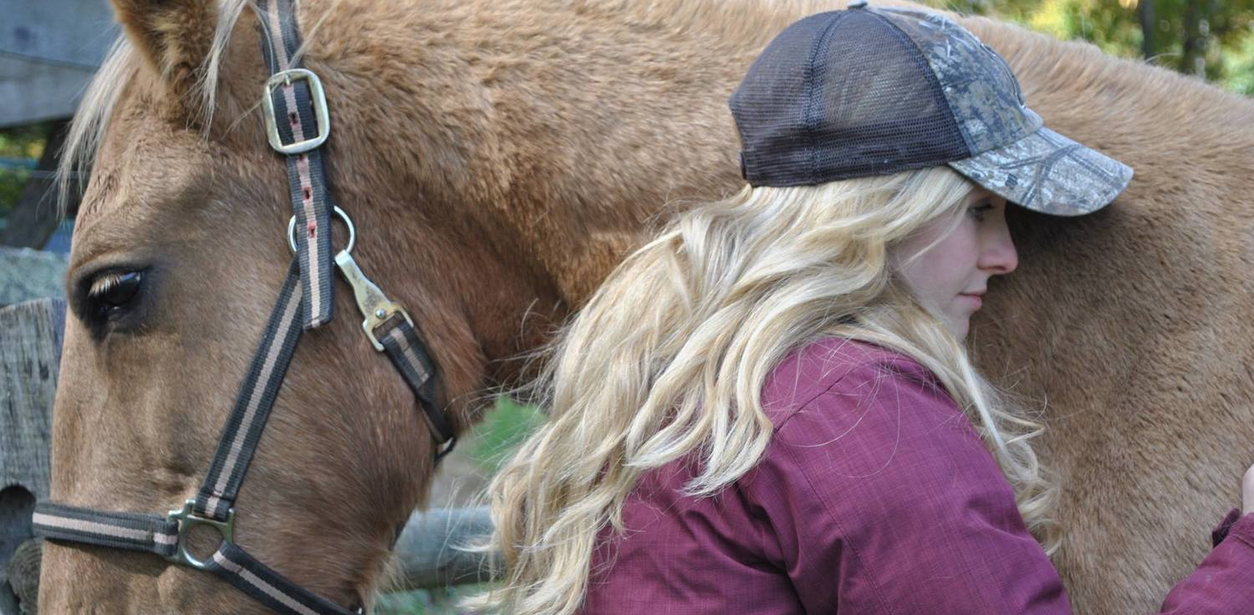
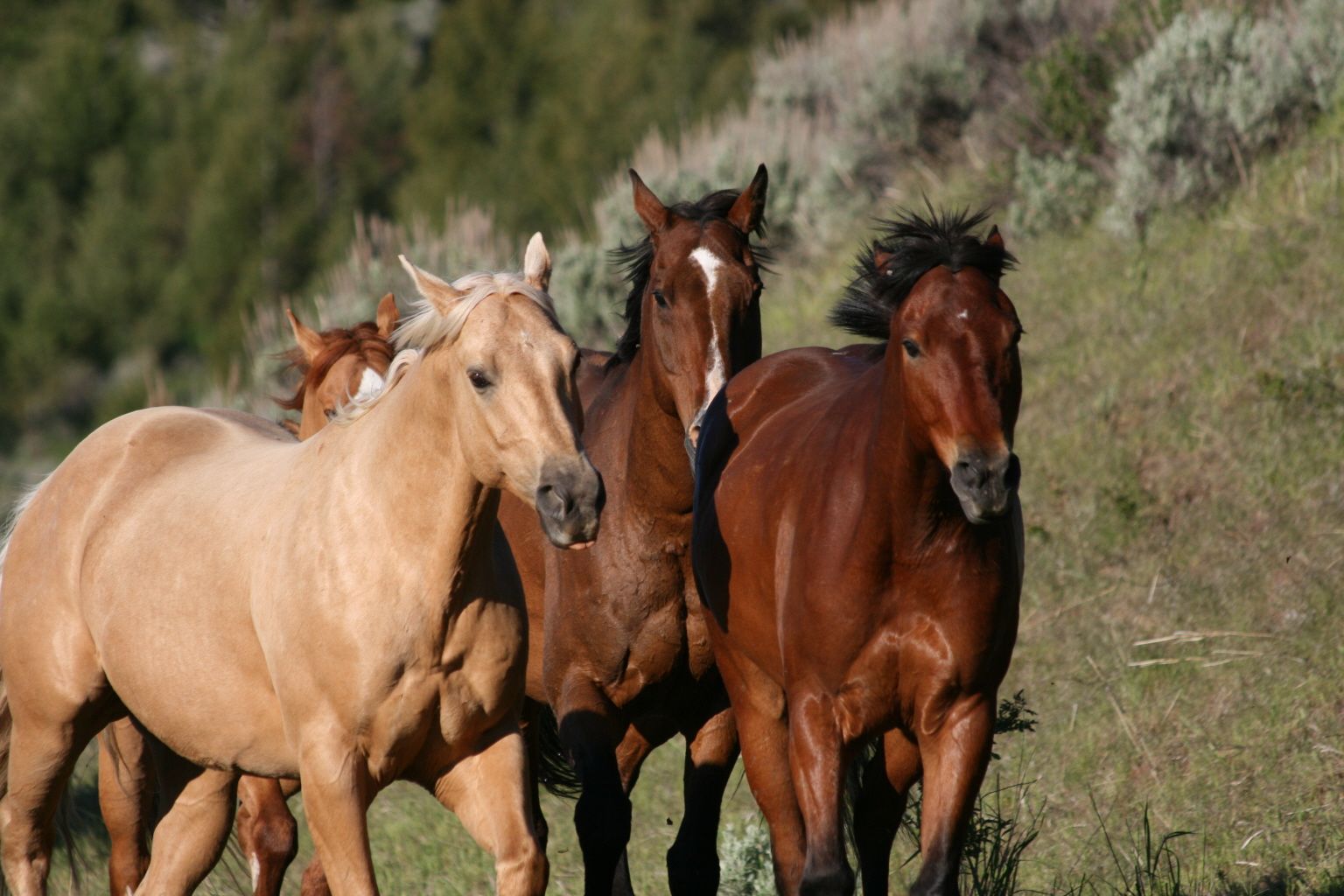
Horseback Riding on the Farm
When you think of horses on a farm, your mind might drift to the days when they powered nearly every task from pulling plows, hauling harvests, even dragging logs down steep hillsides for forestry work. While tractors have taken over most of the chores, plenty of farms still have horses, but for entirely different reasons these days.
Oct 26, 2024
Read more →
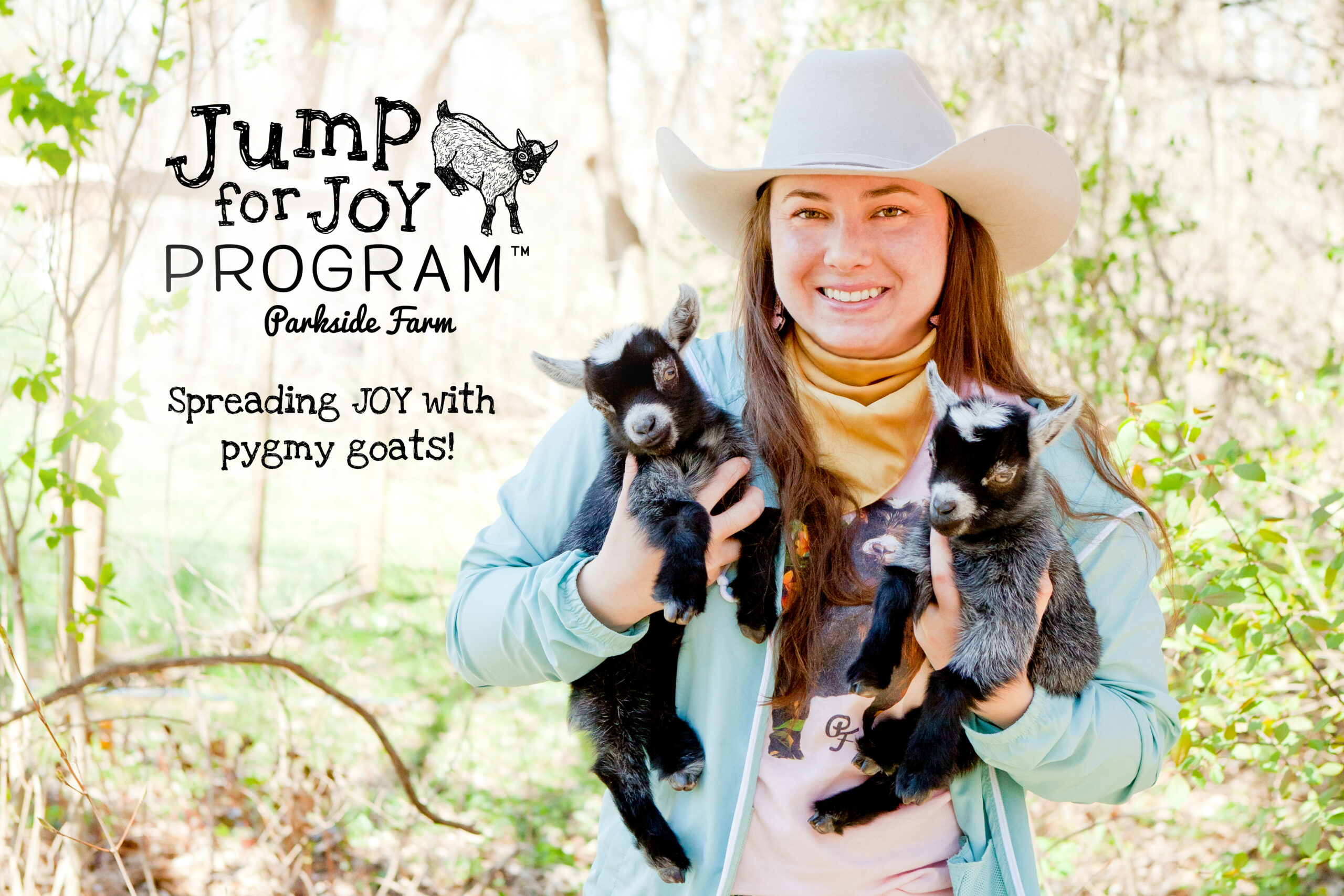
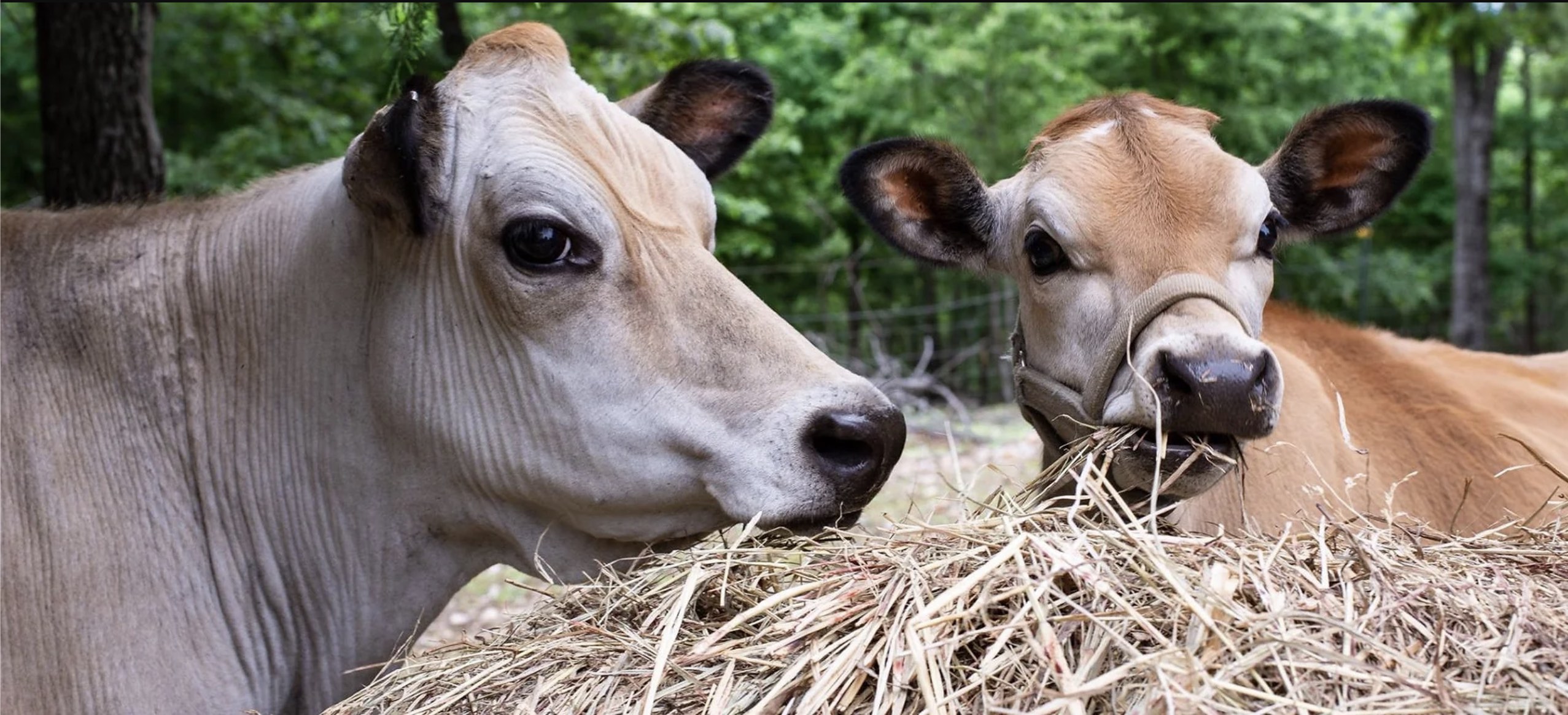
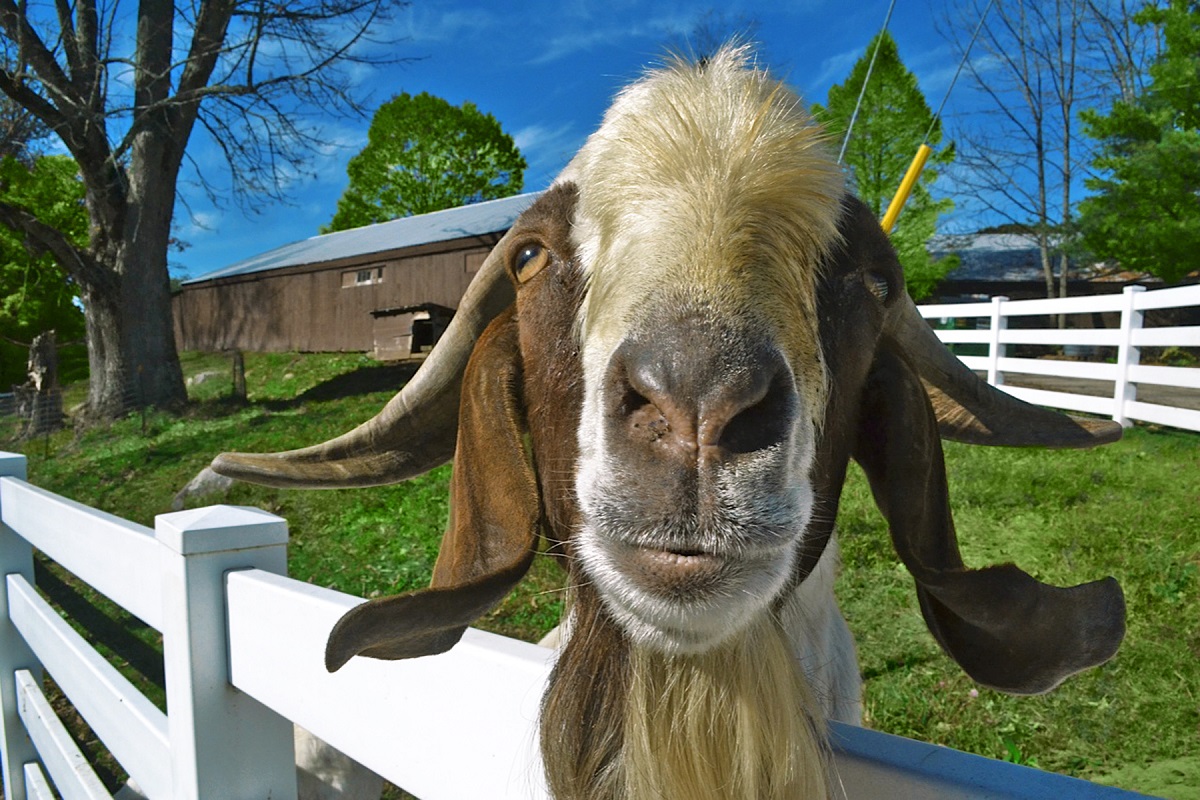
The Joys of Livestock Cuddling: A Unique Farm Stay Experience
Goat Yoga hit the big time a few years ago. Started on a whim by Lainey Morse in 2016 when a yoga teacher suggested offering a class in the field with Lainey's goats, her Original Goat Yoga craze took off not only across the country but around the world. It was one of those silly ideas that livestock owners have known like... forever. Some of our animals can be down-right affectionate.
Oct 9, 2024
Read more →
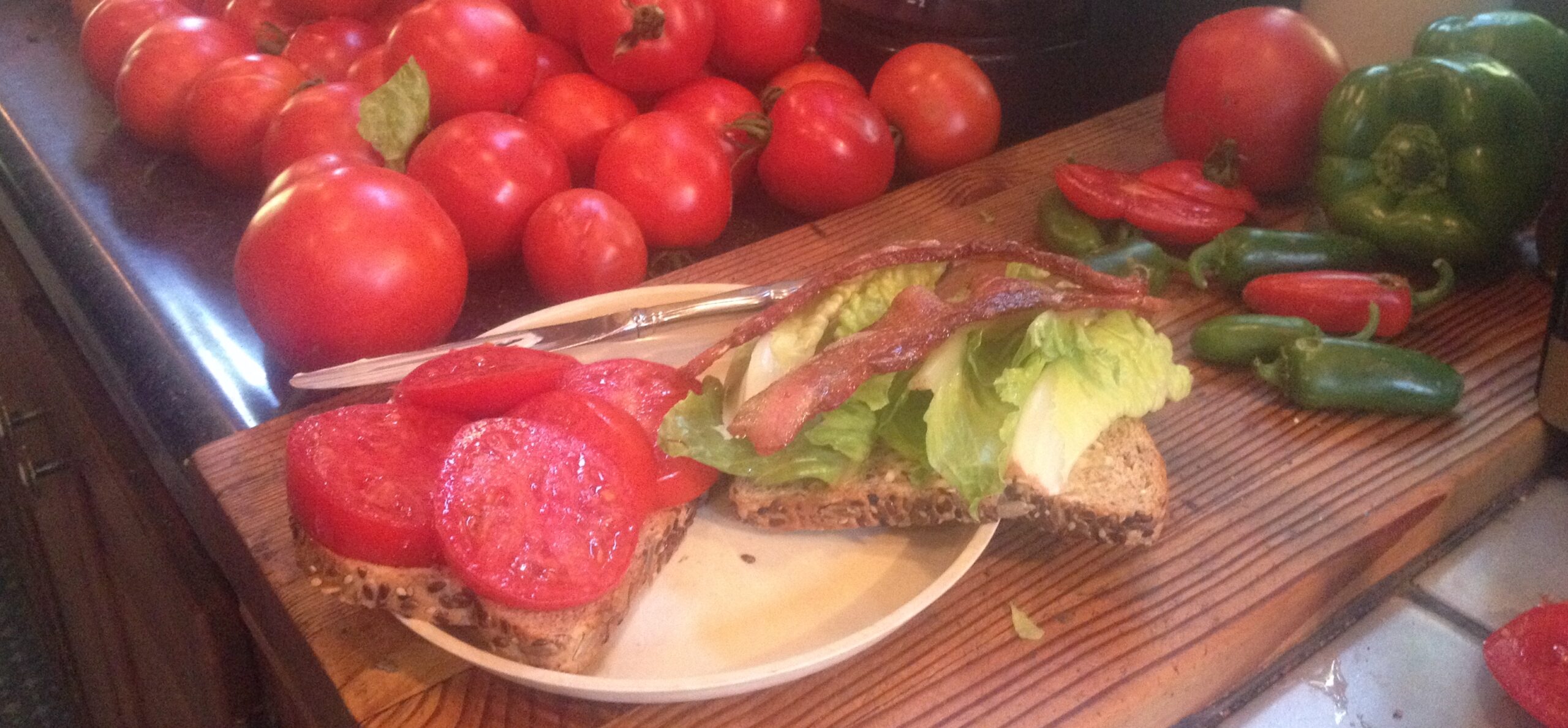
Favorite summer veggies from the farmer's garden
Summer is a vibrant season for vegetable farming in most areas of the U.S., with a variety of produce thriving in the warm weather. While you should ask before arrival if you can have or buy veggies from the farmer's garden, you might also ask what is in season as different parts of the county vary in seasonality.
Aug 18, 2024
Read more →
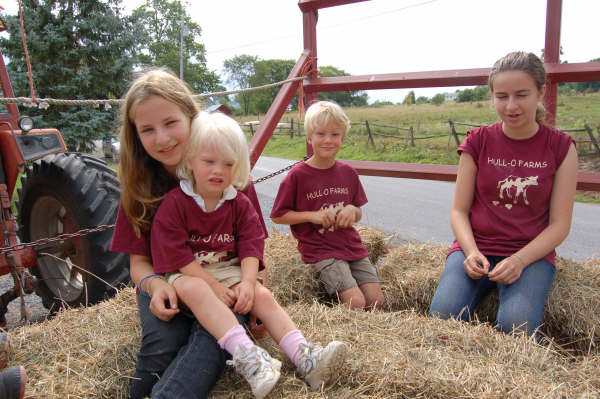
Hay Wagon Rides and Summer Go Hand-in-Hand
We're a long way from those childhoods our grandparents (or great-grandparents?) had, where jumping on top of the hay wagon was a part of the summer fun. Of course, once you got to the barn you were handed a pitchfork to unload the wagon. Luckily there are still some farms that will load up the hay wagon just to give you the experience, with no pitchforks in sight!
Jul 31, 2024
Read more →
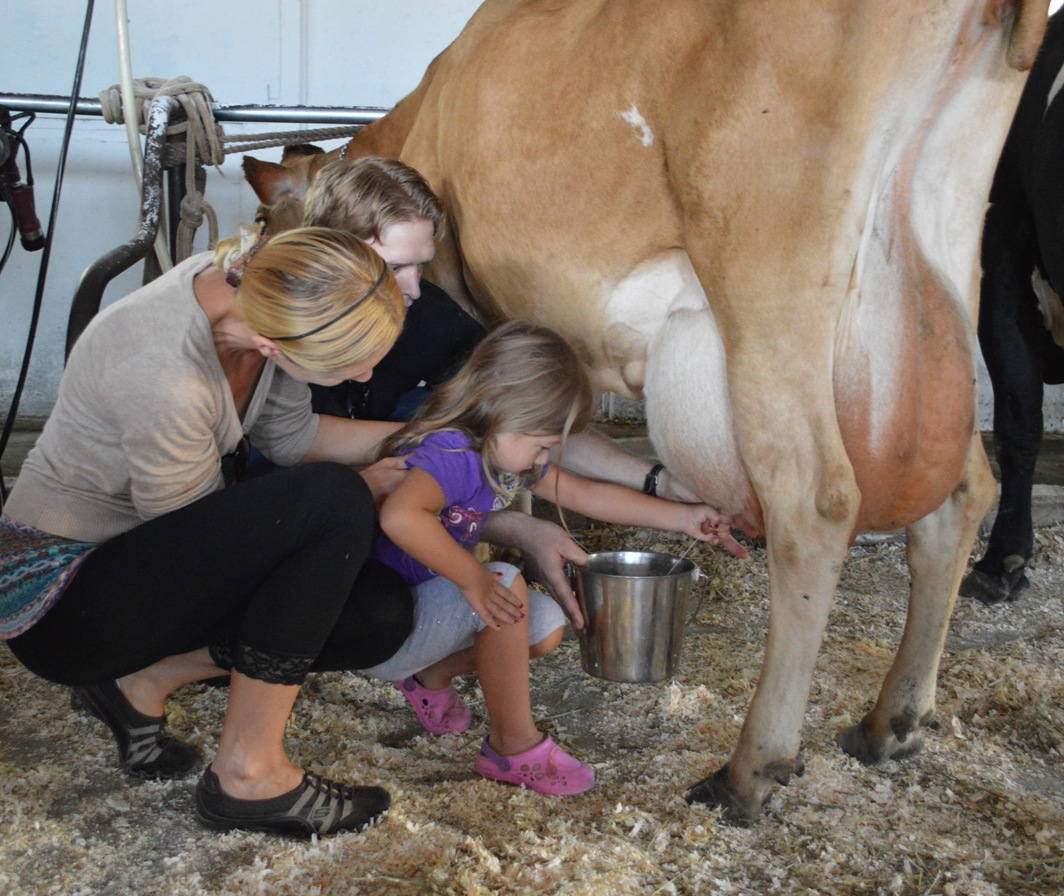
These farmers will teach you how to milk a cow, a sheep or a goat
Have you ever wanted to try your hand at milking a cow? You're thinking, "How hard could it be?" Actually it's not as easy as it looks but these farms want to give you a chance to dispel the romance and try for yourself. It's where nostalgia and novelty overlap.
Jul 23, 2024
Read more →
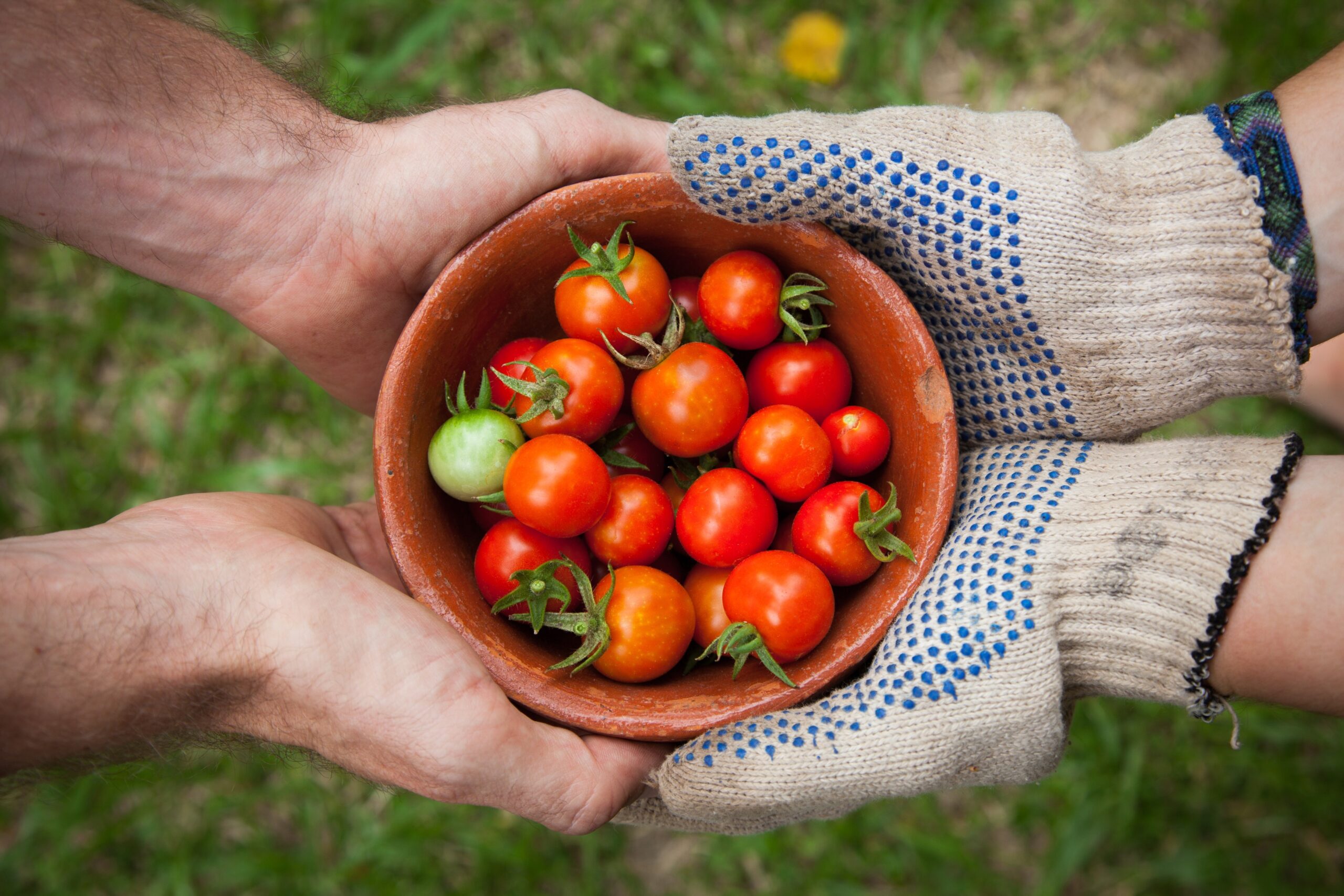
Advocating for Agritourism Worldwide
Agritourism, a funny blend of the words 'agriculture' and 'tourism,' originated from the Italian term 'agriturismo' in 1985. It was designed to combat rural flight, providing travelers with unique experiences on the farm. This concept has been embraced globally, encompassing farm-based activities like tours, shops, restaurants, and lodgings.
Sep 16, 2023
Read more →